
Ketjap Manis
Kecap Manis (Indonesian Sweet Soy Sauce)
Out of ketjap manis? Use our exact 1:1 substitute ratio with regular soy sauce and brown sugar, plus a comparison of Bango, ABC, Conimex, and gluten-free swaps.
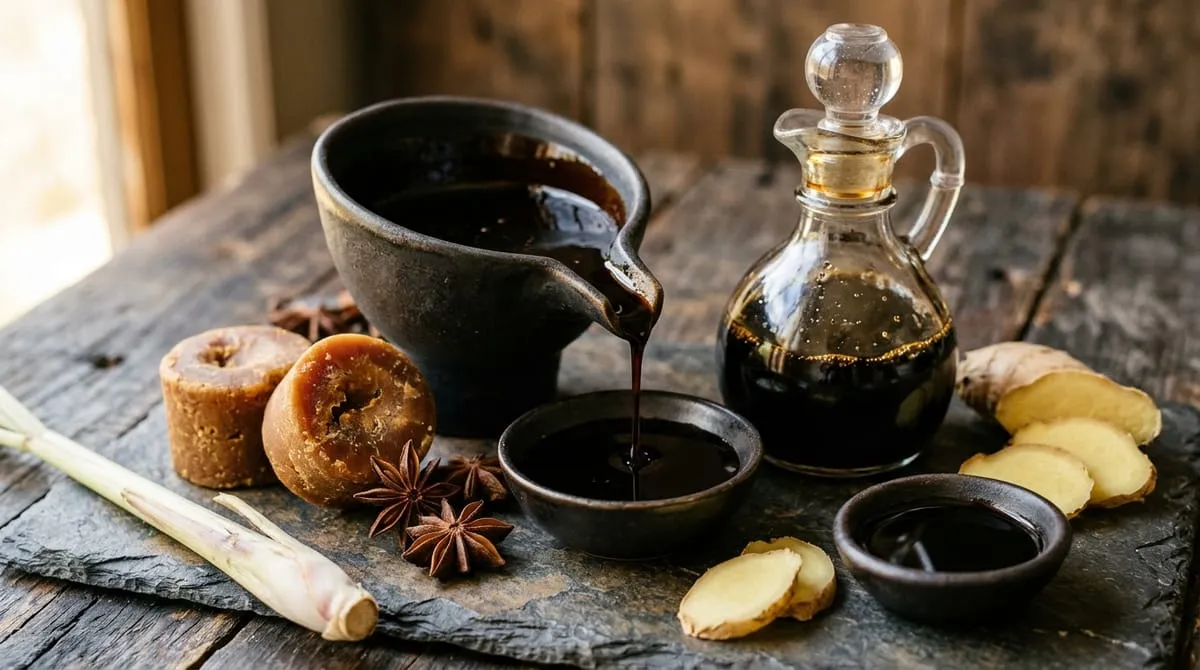
At a Glance: Where to Buy or Substitute
Netherlands Pantry GuideAvailability in the Netherlands
Every Dutch supermarket (Conimex, Bango, ABC) and all Asian supermarkets / tokos
Best Direct Substitute
Approximation: 1 part regular soy sauce + 1 part palm sugar or dark brown sugar, simmered 2–3 min until syrupy
You have your wok heating on the stove for Authentic Nasi Goreng (No Packets) or a batch of chicken satay, only to discover your bottle of ketjap manis is empty. You have regular Japanese soy sauce (like Kikkoman) in the fridge door. Can you just pour that in 1-for-1?
No. Replacing 3 tablespoons of ketjap manis with 3 tablespoons of standard soy sauce will make your dish watery, thin, and overwhelmingly salty. Fortunately, if you have regular soy sauce and dark brown sugar or palm sugar in your cupboard, you can make a remarkably close substitute in under three minutes.
What is Ketjap Manis, exactly?
Ketjap manis (spelled kecap manis in modern Indonesian) literally translates to ‘sweet soy sauce’. While Japanese and Chinese light soy sauces are thin and pourable, traditional Indonesian ketjap manis is cooked down with roughly 50% palm sugar (gula jawa) or cane sugar, fermented soybeans, and often subtle aromatics such as star anise, galangal, Indonesian bay leaf (daun salam), or coriander seed.
That high sugar content serves two critical culinary functions:
- Syrupy viscosity: It coats individual grains of fried rice, noodles, grilled skewers, and air-fried bites—such as our Crispy Air Fryer Tofu—in a glossy glaze.
- Instant caramelization: When ketjap manis hits the smoking-hot steel rim of a wok, the sugars bubble and caramelize in seconds, creating a deep, smoky-sweet savory crust.
Ketjap Manis vs. Other Soy Sauces
If you are looking at the Asian aisle in a Dutch supermarket or toko, you will see several dark bottles that behave very differently in the pan:
1. Ketjap Manis vs. Ketjap Asin
- Ketjap Manis: Thick, syrupy, dark brown, and distinctly sweet with rich caramel and molasses notes.
- Ketjap Asin: Asin means ‘salty’. This Indonesian soy sauce is much thinner and saltier than ketjap manis. If you use ketjap asin to replace ketjap manis, always mix it 1:1 with palm sugar or dark brown sugar.
2. Ketjap Manis vs. Regular Soy Sauce (Japanese Shoyu / Kikkoman)
All-purpose Japanese soy sauce is brewed from soybeans, roasted wheat, water, and salt. It contains almost no sugar and has the viscosity of water. Using it straight without adding sugar and reducing it will throw off both the salt level and the texture of an Indonesian recipe.
3. Ketjap Manis vs. Chinese Dark Soy Sauce (Lao Chou)
Chinese dark soy sauce looks thicker and darker than light soy sauce, which often tricks home cooks into thinking it is the same as ketjap manis. In reality, Chinese dark soy sauce is primarily a coloring and savory seasoning agent with far less sugar than Indonesian ketjap manis. If using Chinese dark soy sauce, you still need to add brown sugar.
Buying Ketjap Manis in the Netherlands (Brand Comparison)
Because of the historical culinary ties between Indonesia and the Netherlands, ketjap manis is sold in every Dutch supermarket. However, the three most common brands taste noticeably different:
- Bango (Kecap Manis): Widely considered the benchmark in Indonesia and stocked at Albert Heijn, Jumbo, and every Asian toko. Made from black Mallika soybeans and palm sugar without artificial thickeners. It has a natural, glossy viscosity and a deep, rounded palm-sugar caramel flavor.
- ABC (Kecap Manis): Another authentic Indonesian staple found in both mainstream Dutch supermarkets and tokos. Very thick and syrupy, making it ideal for wok caramelization and dipping sauces.
- Conimex Ketjap Manis: The ubiquitous Dutch supermarket bottle. Sweetened with white sugar and molasses and thickened with modified cornstarch. It tastes slightly flatter and more licorice-like than Bango or ABC, though it works fine in quick weeknight marinades.
Gluten & Allergen Warning: Although soybeans are naturally gluten-free, most commercial ketjap manis brands (including ABC and Conimex) use wheat during soy fermentation. If you cook for someone with celiac disease or gluten sensitivity, buy a certified gluten-free ketjap manis or make Substitute 3 below using gluten-free tamari.
How to Substitute Ketjap Manis (4 Proven Methods)
Substitute 1: The 3-Minute Stovetop Reduction (Best Flavor & Texture Match)
Simmering regular soy sauce with palm sugar or dark brown sugar evaporates excess water and replicates the thick, sticky glaze required for fried rice, noodles, and dipping sauces.
To replace 2.5 to 3 tablespoons of ketjap manis:
- 2 tablespoons regular all-purpose soy sauce (or ketjap asin)
- 2 tablespoons shaved palm sugar (gula jawa) or Dutch dark brown caster sugar (donkerbruine basterdsuiker)
- Optional aromatics: ½ teaspoon molasses + 1 bruised garlic clove or 1 star anise pod (remove after simmering)
Method: Combine the soy sauce and sugar in a small saucepan over medium heat. Stir until the sugar dissolves completely, then let it bubble gently for 2 to 3 minutes until reduced and syrupy enough to coat the back of a spoon (remember it will thicken further as it cools).
Substitute 2: The 30-Second No-Cook Mix (For Marinades & Hot Woks)
If your recipe already involves high heat in a wok or an oven/air-fryer marinade, you can skip the separate saucepan reduction.
To replace 2 tablespoons of ketjap manis:
- 1 tablespoon regular soy sauce
- 1 tablespoon dark brown caster sugar, runny honey, or maple syrup
Whisk the soy sauce and sugar (or honey) together in a small bowl until smooth. When stir-frying, pour this mixture against the hot metal rim of the wok so the sugar melts and caramelizes instantly. (Not recommended for cold table dipping sauces, as it stays thinner when unheated).
Substitute 3: Gluten-Free Ketjap Manis (Using Tamari)
Because standard soy sauce contains wheat, use Japanese tamari for a reliable gluten-free substitute.
To replace 2.5 tablespoons of gluten-free ketjap manis:
- 2 tablespoons certified gluten-free tamari
- 2 tablespoons palm sugar or dark brown caster sugar
Simmer in a small pan over medium heat for 2 to 3 minutes until glossy and syrupy.
Substitute 4: Soy-Free Substitute (Using Coconut Aminos)
Cooking for a soy allergy? Coconut aminos (fermented coconut blossom sap, sold at organic grocers like Ekoplaza, Holland & Barrett, and larger Albert Heijn stores) is naturally sweeter and lower in sodium than soy sauce.
To replace 2 tablespoons of ketjap manis:
- 3 tablespoons coconut aminos
- 1 tablespoon coconut blossom sugar (kokosbloesemsuiker) or dark brown sugar
Simmer in a small saucepan for 2 to 3 minutes until reduced by one-third and sticky.
Ketjap Manis Substitute Comparison Table
| Substitute | Ratio (for ~2–3 tbsp ketjap) | Flavor & Texture Match | Best Used For |
|---|---|---|---|
| 1. Soy sauce + palm sugar (simmered) | 2 tbsp soy sauce + 2 tbsp palm sugar (simmer 2–3 min) | ★★★★★ | Nasi goreng, bami goreng, glazes, dipping sauces |
| 2. Soy sauce + dark brown sugar / honey (no-cook) | 1 tbsp soy sauce + 1 tbsp dark brown sugar or honey | ★★★★☆ | Satay marinades, quick stir-fries |
| 3. Tamari + brown sugar (simmered) | 2 tbsp tamari + 2 tbsp palm/brown sugar | ★★★★★ (Gluten-free) | All Indonesian dishes (gluten-free) |
| 4. Coconut aminos + coconut sugar | 3 tbsp coconut aminos + 1 tbsp coconut sugar (simmered) | ★★★★☆ (Soy-free) | Soy-free stir-fries and marinades |
| Plain regular soy sauce (unmodified) | ❌ Do not substitute 1:1 | ★☆☆☆☆ | Too salty, too watery, will not caramelize |
Where Ketjap Manis Belongs (and Where It Doesn’t)
- Essential in: Authentic Nasi Goreng (No Packets) (where the syrup caramelizes on the hot wok rim), Javanese braised beef (semur), Indonesian peanut sauce, satay marinades, and sticky glazes for Crispy Air Fryer Tofu.
- Do not use in traditional Sumatran rendang: Authentic West Sumatran Indonesian Beef Rendang does not contain ketjap manis; its deep brown color comes from slow-caramelized coconut milk and a fresh bumbu built with galangal (laos).
- Do not confuse with Thai, Chinese, or Japanese seasonings: Thai noodle dishes like Pad Thai build their savory-sweet balance from fish sauce, palm sugar, and tamarind, Chinese stir-fries rely on oyster sauce for glossy savory depth, and Japanese glazes rely on soy sauce and mirin.
Frequently Asked Questions (FAQ)
Can I substitute regular soy sauce for ketjap manis?
Not 1-for-1 on its own. Regular soy sauce is thin and salty, whereas ketjap manis is thick and sweet. Always combine 1 part regular soy sauce with 1 part dark brown sugar or palm sugar—ideally simmered for 2 minutes until syrupy—before adding it to your recipe.
How long does an opened bottle of ketjap manis last?
Thanks to its high sugar and salt content, an opened bottle of ketjap manis keeps for 1 to 2 years in a cool, dark cupboard or refrigerator. If sugar crystals form around the cap over time, simply wipe the nozzle with a warm damp cloth.
Can I use Dutch stroop (pancake syrup) mixed with soy sauce?
Yes. In a pinch, mixing 1.5 tablespoons of regular soy sauce with 1 tablespoon of Dutch schenkstroop (sugar beet/cane syrup) works well because the syrup already has the right viscosity. If using Dutch appelstroop (apple syrup), use only ½ teaspoon alongside brown sugar so the fruity apple acidity does not overpower the dish.
Recipes Using Ketjap Manis
Authentic Nasi Goreng (No Packets)
Make fragrant Indonesian nasi goreng without spice packets: using chilled jasmine rice, a freshly pounded bumbu paste, and caramelized ketjap manis in a wok.
Crispy Air Fryer Tofu
Golden brown, shatteringly crisp on the outside, and silky inside: make crispy air fryer tofu in 20 minutes using the cornstarch-and-soy coating trick.
Video Guide & Culinary Context
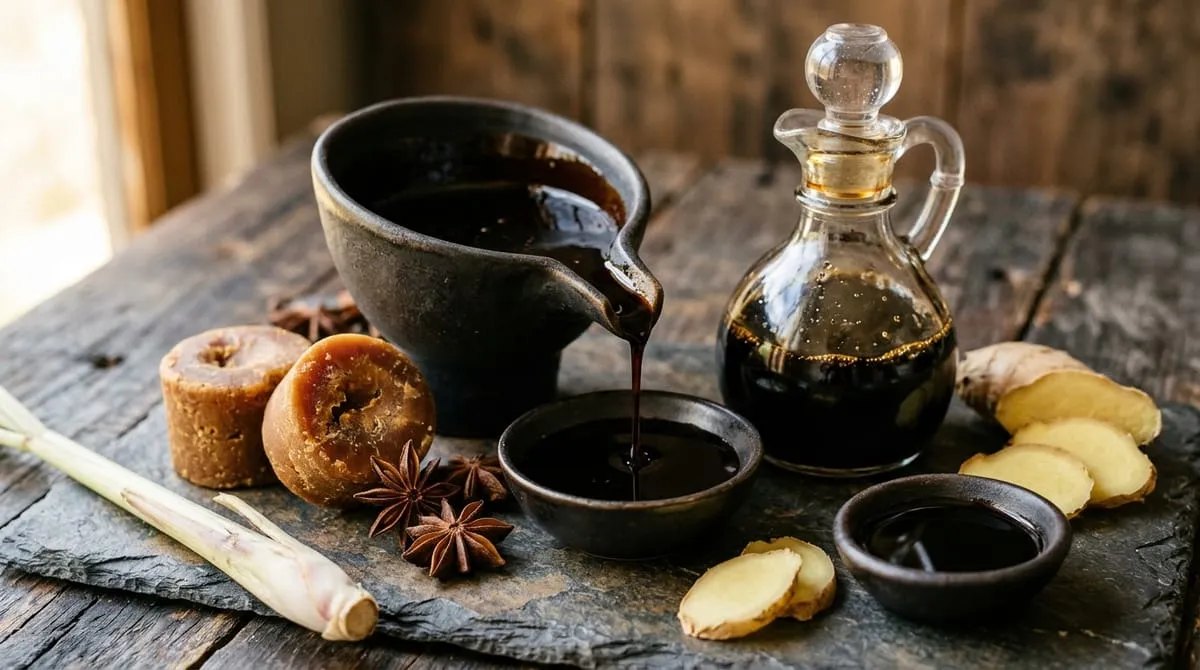
About this video: This external demonstration by Hangry Home Chefs shows how to simmer soy sauce, palm sugar, water, ginger, garlic, and star anise into homemade Indonesian kecap manis — matching the stovetop reduction method in Substitute 1 below.
More Ingredient Guides
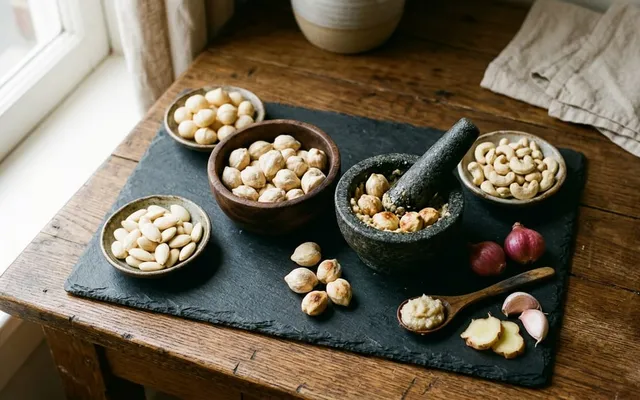
Candlenuts (Kemiri / Buah Keras)
Out of candlenuts (kemiri) for your Indonesian bumbu or rendang? Use our 5 best substitutes (macadamia, cashew, and nut-free) and learn why to toast them.
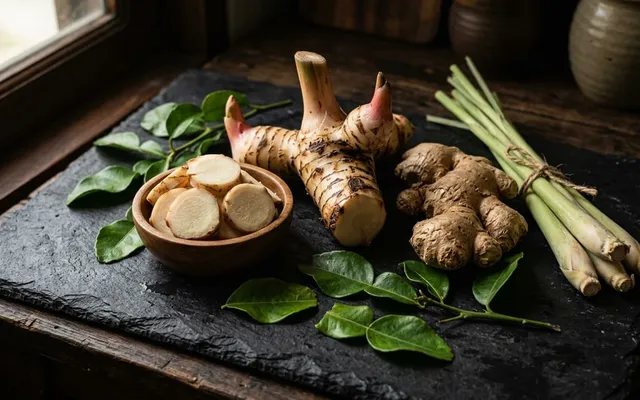
Galangal
Need a galangal substitute or looking for fresh laos vs. laos powder at Albert Heijn, Jumbo, or a Dutch toko? Exact conversion ratios for curry & Tom Kha.
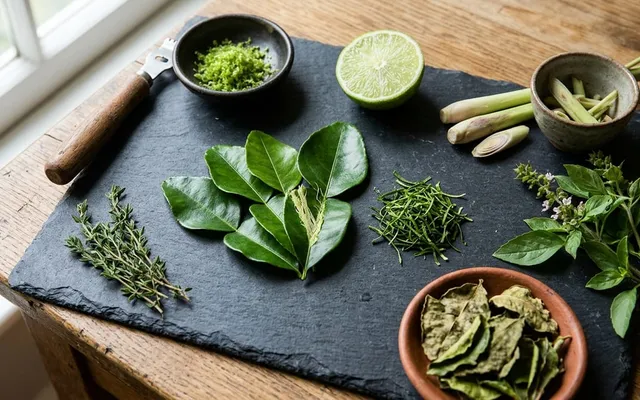
Makrut / Kaffir Lime Leaves (Djeroek Poeroet)
Out of makrut (kaffir) lime leaves or djeroek poeroet? Use our 5 best substitutes with exact ratios, plus how to slice them and where to buy them in NL.