
Oyster Sauce (Chinese & Thai Oyster Sauce)
Hao You (蚝油) · Nam Man Hoi · Glossy Umami Stir-Fry Glaze
Out of oyster sauce or cooking vegetarian? Discover the 5 best substitutes (including the 30-second soy sauce + sugar + cornstarch trick and mushroom sauce).
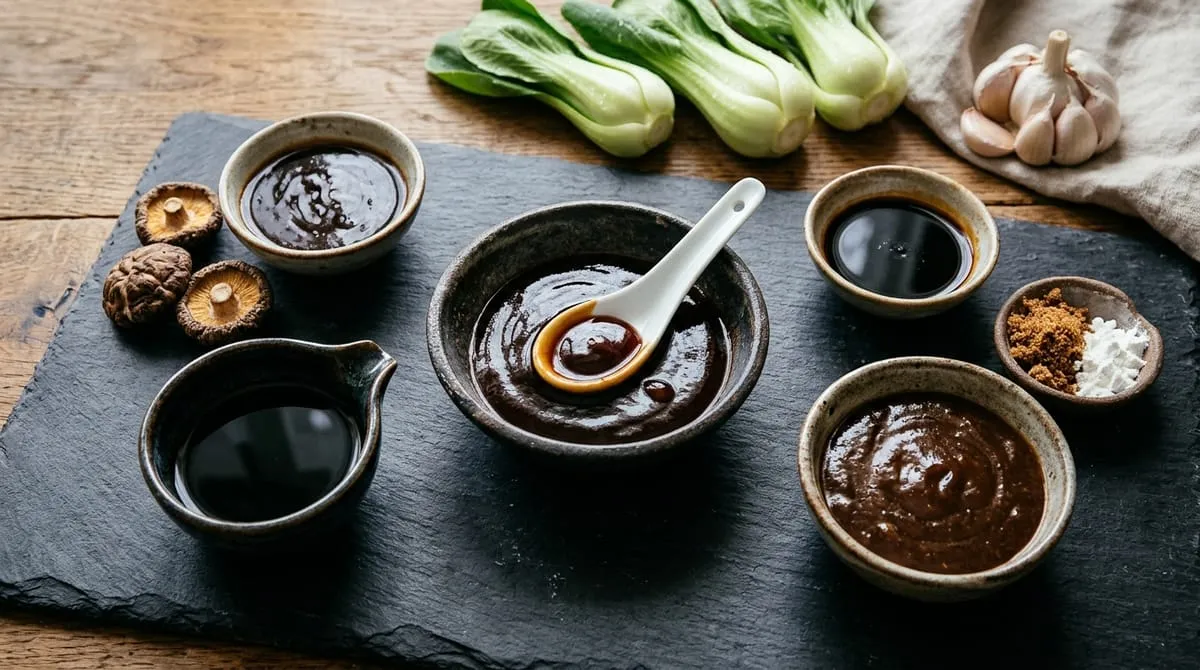
At a Glance: Where to Buy or Substitute
Netherlands Pantry GuideAvailability in the Netherlands
Standard oyster sauce (Go-Tan, Kikkoman, Amoy, Lee Kum Kee Panda) and vegetarian mushroom oyster sauce at Albert Heijn and Jumbo; high-extract premium oyster sauces (Lee Kum Kee Premium, Maekrua, Megachef) and shiitake stir-fry sauces at Amazing Oriental and local tokos.
Best Direct Substitute
1 tbsp vegetarian mushroom stir-fry sauce (1:1 vegan match) OR 1 tbsp soy sauce + ½ tsp dark brown sugar + ¼ tsp cornstarch (best 30-second pantry formula per 1 tbsp oyster sauce)
Your wok is smoking hot, your garlic and broccoli or bok choy are prepped on the cutting board, and the recipe calls for 2 tablespoons of oyster sauce. You open the fridge door: the bottle is empty — or you are cooking tonight for a vegetarian guest or someone with a mollusc/shellfish allergy. Check almost any Western recipe site and you will see the same lazy advice: “Just substitute soy sauce.”
Do not swap plain soy sauce 1-to-1 for oyster sauce. If you pour two tablespoons of thin, salty soy sauce into a stir-fry in place of thick, savory-sweet oyster sauce, two things go wrong immediately: the sauce pools at the bottom of the wok like watery soup instead of clinging in a glossy lacquer to your vegetables and noodles, and the dish turns aggressively salty.
Fortunately, once you understand the three building blocks inside a bottle of oyster sauce, you can recreate both its deep savory-sweet flavor and its velvety wok cling in 30 seconds using three staples already in your Dutch cupboard — or grab a 1-to-1 plant-based bottle at Albert Heijn or the toko.
What Is Oyster Sauce and Why Doesn’t It Taste Fishy?
Oyster sauce (hao you, 蚝油 in Cantonese/Mandarin; nam man hoi in Thai) was invented by accident in 1888 in Guangdong, China, when chef Lee Kam Sheung forgot a pot of simmering oyster soup on the stove and returned to find it reduced into a thick, mahogany-brown, intensely savory glaze. That happy accident founded Lee Kum Kee, still the world’s benchmark producer today.
People who dislike raw oysters often hesitate when they see “oyster sauce” on an ingredient list. Yet in a cooked dish, oyster sauce never tastes fishy or briny. Here is what it actually does chemically and culinarily in your pan:
- Double Umami Synergy (Glutamate + Inosinate + Caramelized Glycogen): Oysters are naturally rich in glycogen (animal starch that caramelizes into mild sweetness when simmered slowly) alongside free amino acids. Combined with fermented soy sauce, it delivers a rounded, beefy-savory bass note that transforms bitter greens like bok choy, Chinese broccoli (kai-lan), and mushrooms.
- Built-In Starch Viscosity (Velveting & Wok Cling): Unlike thin soy sauce or fish sauce, oyster sauce is thickened in the bottle with cornstarch (maïzena) and caramelized sugar. That built-in binder is why oyster sauce coats every floret of broccoli or cube of Crispy Air Fryer Tofu in a mirror-bright glaze during the final 30 seconds of stir-frying.
Supermarket vs. Toko Bottles in the Netherlands: What the Label Tells You
Turn around the bottles at Albert Heijn, Jumbo, and Amazing Oriental and you will see a dramatic difference in oyster extract concentration:
| Bottle Tier in NL | Oyster Extract (%) |
Flavor & Texture Profile | Common Brands in NL |
|---|---|---|---|
| 1. Everyday Supermarket Oyster Sauce | 3% – 9% oyster extract (with water, sugar, soy sauce, cornstarch, and yeast extract). |
Sweeter and milder; reliable for quick weeknight stir-fries. | Go-Tan Oyster Sauce, Amoy, Lee Kum Kee Panda Brand (green label). |
| 2. Premium Cantonese & Thai Oyster Sauce | 25% – 40% oyster extract. |
Far deeper, less sugary, velvety, and intensely savory. | Lee Kum Kee Premium Oyster Sauce (boy-in-boat label), Megachef, Maekrua (Thai). |
| 3. Vegetarian Mushroom “Oyster” Sauce | 0% oysters (brewed from concentrated shiitake mushroom extract). |
Identical glossy thickness; rich earthy guanylate umami from dried shiitake. | Lee Kum Kee Mushroom Vegetarian Stir-Fry Sauce, Wan Ja Shan, Kikkoman Vegan Oyster Sauce. |
Important Allergen & Dietary Warning (Molluscs & Gluten):
- Molluscs (Weekdieren): Traditional oyster sauce contains real oyster extract. Under EU food-allergen law, oysters are classified as molluscs (weekdieren), whereas trassi / shrimp paste is a crustacean (schaaldier) and fish sauce is fish (vis).
- Gluten (Wheat): Almost all standard oyster sauces contain wheat-brewed soy sauce or wheat flour and are not gluten-free. For celiac-safe cooking, look for Kikkoman Gluten-Free Oyster Sauce, Megachef (with the gluten-free certification mark), or mix our 30-second formula below using gluten-free tamari and cornstarch!
The 5 Best Oyster Sauce Substitutes (Ranked by Flavor & Convenience)
1. Vegetarian Mushroom Stir-Fry Sauce (Paddenstoelensaus) — Best 1-to-1 & 100% Vegan Match (98% Match)
Ratio: 1-to-1 (1 tablespoon mushroom stir-fry sauce for 1 tablespoon oyster sauce).
This is the single best bottle to keep in your fridge door: sold as Vegetarian Mushroom Oyster Sauce or Vegetarian Stir-Fry Sauce (look for the green label with mushrooms from Lee Kum Kee, Healthy Boy, or Kikkoman at Amazing Oriental, Albert Heijn, and Jumbo).
- Why it works 1-to-1: Dried shiitake mushrooms are one of nature’s richest sources of guanylate — the exact umami nucleotide that gives oysters their savory punch. Manufacturers simmer that concentrated shiitake extract with soy sauce, caramel sugar, and cornstarch to the exact viscosity of real oyster sauce. In a blind taste test over stir-fried greens or Crispy Air Fryer Tofu, you cannot tell them apart.
2. The 30-Second Pantry Formula: Soy Sauce + Dark Brown Sugar + Cornstarch (Best Emergency Swap — 92% Match)
Ratio (per 1 tablespoon / 15 ml oyster sauce): Whisk together in a small bowl:
- 1 tablespoon (
15 ml) regular soy sauce (or gluten-free tamari) - ½ to ¾ teaspoon dark brown caster sugar (donkerbruine basterdsuiker) (or palm sugar / honey)
- ¼ teaspoon cornstarch (maïzena) (dissolved in 1 teaspoon cold water — or soaking liquid from dried shiitake mushrooms!)
Why this formula beats every other home swap: Mixing soy sauce and sugar alone leaves you with a runny liquid that slides right off your broccoli and beef. Whisking in that quarter-teaspoon of cornstarch makes the sauce thicken on contact with the hot wok in 15 seconds flat, giving you the signature glossy restaurant glaze while the molasses in the dark brown sugar mimics caramelized oyster glycogen. (100% vegan, and 100% gluten-free when made with tamari).
3. Hoisin Sauce + Light Soy Sauce (50/50 Blend — Best for Rich Meat, Chicken & Tofu Glazes)
Ratio: Replace 1 tablespoon oyster sauce with ½ tablespoon hoisin sauce + ½ tablespoon light soy sauce.
Have a jar of Chinese hoisin sauce in the fridge from making bao buns or Peking duck pancakes? Hoisin has the exact same thick, glossy body as oyster sauce and a deep fermented soybean paste foundation.
- Why you cut it 50/50 with soy sauce: Straight hoisin sauce is much sweeter than oyster sauce and is seasoned with garlic, vinegar, and Chinese five-spice powder. Diluting half a tablespoon of hoisin with half a tablespoon of salty soy sauce tames the sweetness and spice, creating an outstanding glaze for beef stir-fries, minced pork, or roasted mushrooms.
4. The Dutch Cupboard Shortcut: Ketjap Manis + Fish Sauce (or Miso Paste)
Ratio: Replace 1 tablespoon oyster sauce with ¾ tablespoon ketjap manis + ¼ tablespoon fish sauce (or for vegetarian/vegan: ¾ tbsp ketjap manis + ½ tsp white or red miso paste).
Almost every kitchen in the Netherlands has a bottle of thick Indonesian ketjap manis (ABC or Bango). Ketjap manis already brings syrupy viscosity and caramelized palm sugar, but it lacks marine umami and salt. Pairing three parts ketjap manis with one part Thai fish sauce (or half a teaspoon of miso paste) locks in both the glossy cling and the savory depth — ideal in Thai stir-fries, Authentic Nasi Goreng, or Pad Thai.
5. Thick Teriyaki Sauce (Quick Pinch Swap for Stir-Fry Noodles)
Ratio: 1-to-1 (1 tbsp thick teriyaki glaze for 1 tbsp oyster sauce), provided you omit any extra sugar or mirin called for in the recipe.
If a bottle of store-bought teriyaki sauce is all you have, it already contains soy sauce, sugar, and starch binder, though it is sweeter and lacks the earthy umami of oysters or mushrooms. Add a drop of toasted sesame oil or a pinch of mushroom bouillon powder to round out the depth.
Dish Matrix: Which Oyster Sauce Substitute Works Best for Which Dish?
| Dish Category / Culinary Role | Best Substitute (1st Choice) | Exact Ratio (per 1 tbsp / 15 ml oyster sauce) | Diet & Allergen Status |
|---|---|---|---|
| 1. Chinese Vegetable Stir-Fries (Bok Choy, Broccoli or Gai Lan with Garlic) | Mushroom stir-fry sauce OR Soy Sauce + Brown Sugar + Cornstarch | 1 tbsp soy sauce + ½ tsp dark brown sugar + ¼ tsp cornstarch + 1 tsp water |
100% Vegan (and gluten-free with tamari) |
| 2. Stir-Fried Noodles & Fried Rice (Chow Mein, Pad See Ew, Pad Thai) | Ketjap Manis + Fish Sauce (or Miso) | ¾ tbsp ketjap manis + ¼ tbsp fish sauce (or ½ tsp miso) |
With miso: 100% Vegan & Mollusc-Free |
| 3. Beef, Chicken & Tofu Marinades (Crispy Air Fryer Tofu, Beef & Broccoli) | Hoisin Sauce + Soy Sauce (50/50) | ½ tbsp hoisin sauce + ½ tbsp soy sauce |
100% Vegan & Mollusc-Free |
| 4. Dumpling Fillings (Crispy Gyoza), Meatballs & Braises | Soy Sauce + ½ tsp Sugar + ½ tsp Miso (plus 1 tsp Shaoxing rice wine) | 2 tsp soy sauce + ½ tsp miso + ½ tsp sugar (no cornstarch needed inside fillings) |
100% Vegan & Mollusc-Free |
Frequently Asked Questions About Substituting Oyster Sauce (FAQ)
1. What is the difference between oyster sauce and fish sauce?
Although both originate from the sea, they are culinary opposites:
- Fish sauce (nam pla) is watery-thin, amber-clear, fermented from salted anchovies, contains
0%sugar, and is intensely salty and pungent. You use it as a salt/umami builder in curries like Thai Massaman Curry. - Oyster sauce is thick and syrupy, dark mahogany brown, cooked with sugar and cornstarch, and tastes savory-sweet and mild. Never replace oyster sauce 1-to-1 with straight fish sauce (it will make your stir-fry watery andinedibly salty); always blend ¼ part fish sauce with ¾ part ketjap manis.
2. Does oyster sauce actually taste like oysters or fish?
No. Slow caramelization with sugar, salt, and soy sauce transforms the oyster extract completely, removing any raw marine flavor. It tastes like a rich, lightly sweet beef or mushroom jus—even diners who dislike seafood almost always love vegetable and noodle stir-fries glazed with oyster sauce.
3. Does opened oyster sauce need to be refrigerated (and how long does it last)?
Yes—always store opened oyster sauce in the refrigerator! Unlike plain soy sauce or fish sauce, oyster sauce has a lower salt content and contains significant sugar and starch, meaning it can ferment or mold if left in a warm cupboard. Stored in the fridge, an opened bottle of oyster sauce (or vegetarian mushroom stir-fry sauce) stays in peak condition for 6 to 12 months.
4. How do you pour thick oyster sauce out of a glass bottle without dumping half the bottle?
Everyone knows the frustration of shaking a glass bottle of Lee Kum Kee where nothing comes out at first—and then a massive glug lands in your wok. The kitchen fix: store the bottle in the slightly warmer refrigerator door rather than the back shelf, and slide a clean teaspoon handle or chopstick just inside the neck of the bottle before pouring to break the surface-tension vacuum of the cornstarch gel.
Recipes Using Oyster Sauce (Chinese & Thai Oyster Sauce)
Crispy Air Fryer Gyoza & Dumplings (No Hard Edges + Dipping Sauce)
Cook frozen or fresh gyoza and dumplings in the air fryer in 9 minutes without dry pleats: using the 2-step water-and-sesame-oil coat and dipping sauce.
Vegetarian Pad Thai (No Fish Sauce)
The authentic taste of Bangkok, but 100% plant-based. Learn the secret of the irresistible tamarind sauce and perfectly chewy, non-sticky noodles.
Crispy Air Fryer Tofu
Golden brown, shatteringly crisp on the outside, and silky inside: make crispy air fryer tofu in 20 minutes using the cornstarch-and-soy coating trick.
Korean Bibimbap (Smart 1-Pan Method & Crispy Skillet Rice Crust)
Make authentic Korean bibimbap at home without 5 pans of dishes: featuring our 1-pan namul sequence, crispy rice crust (nurungji), and gochujang sauce.
Authentic Nasi Goreng (No Packets)
Make fragrant Indonesian nasi goreng without spice packets: using chilled jasmine rice, a freshly pounded bumbu paste, and caramelized ketjap manis in a wok.
Video Guide & Culinary Context
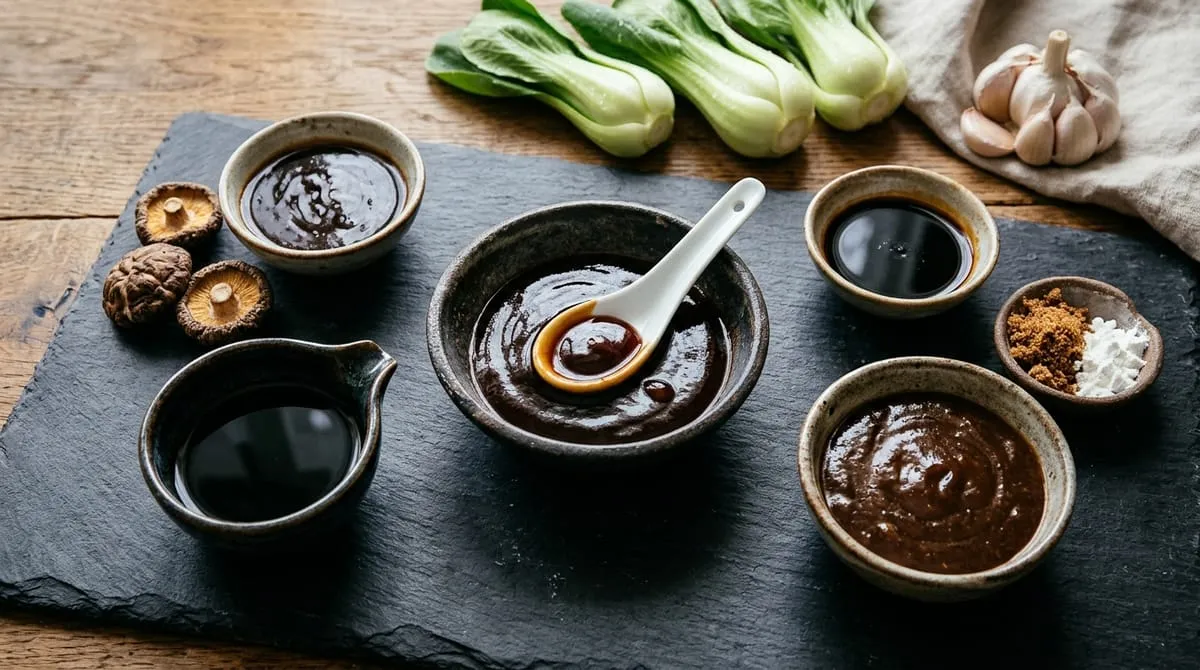
About this video: In this clear 6:45 demonstration, Mandy (Souped Up Recipes) shows step by step how to turn dried shiitake mushrooms, their concentrated soaking broth, soy sauce, sugar, and a cornstarch slurry into a glossy, velvety vegan oyster sauce. Watching the reduction come together explains why matching oyster sauce requires balancing savory umami, caramel sweetness, and starch viscosity.
More Ingredient Guides
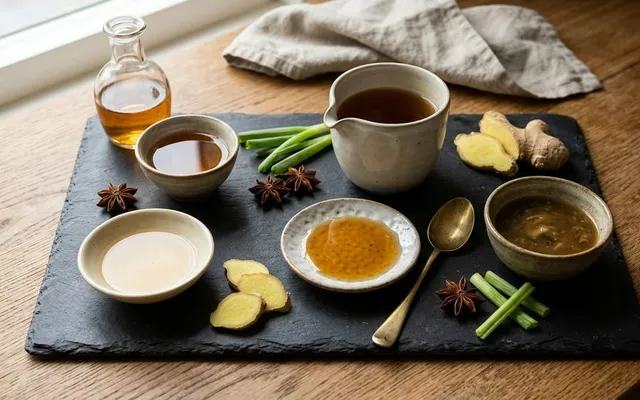
Shaoxing Rice Wine (Chinese Cooking Wine)
Out of Shaoxing rice wine for your stir-fry, marinade, or dumplings? Use our 5 best substitutes (dry sherry, mirin, sake & alcohol-free) and buying tips.
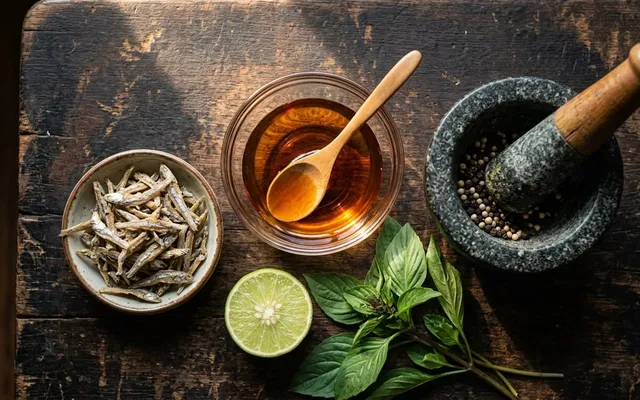
Fish Sauce
Need a fish sauce substitute for Thai curry, Pad Thai, or dipping sauce? Use our 5 exact 1:1 swaps (including vegan soy sauce, miso & lime options).
Galangal
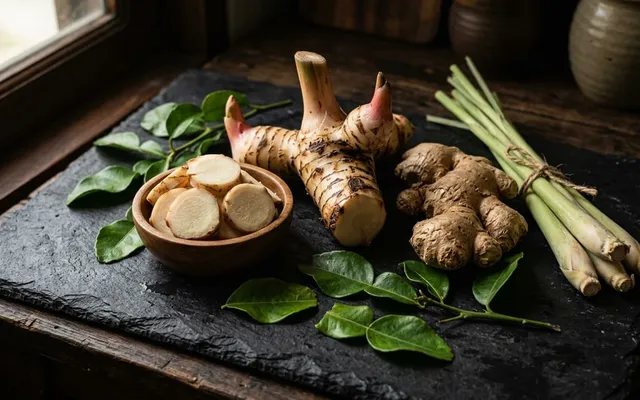
Need a galangal substitute or looking for fresh laos vs. laos powder at Albert Heijn, Jumbo, or a Dutch toko? Exact conversion ratios for curry & Tom Kha.