
Shaoxing Rice Wine (Chinese Cooking Wine)
Shaoxing Jiu / Hua Diao · Amber fermented Chinese glutinous rice wine
Out of Shaoxing rice wine for your stir-fry, marinade, or dumplings? Use our 5 best substitutes (dry sherry, mirin, sake & alcohol-free) and buying tips.
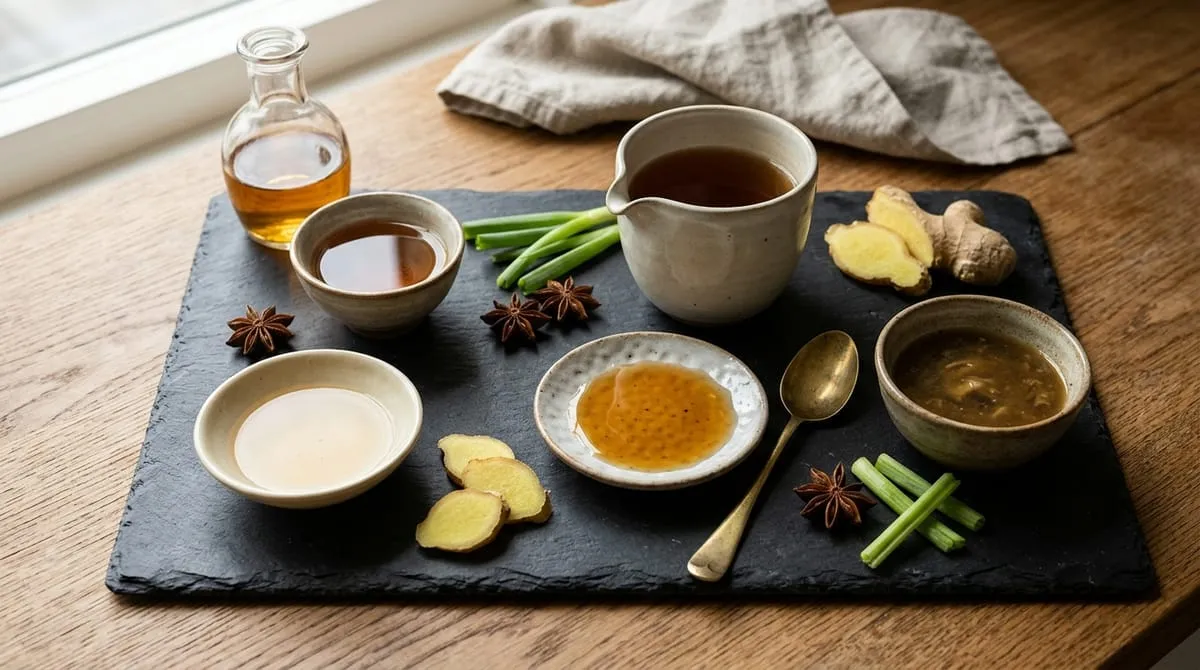
At a Glance: Where to Buy or Substitute
Netherlands Pantry GuideAvailability in the Netherlands
Every Asian supermarket in the Netherlands (Amazing Oriental, Wah Nam Hong — e.g. Pagoda Brand in 600–640 ml brown glass bottles); small bottles of salted Chinese cooking wine at larger Albert Heijn and Jumbo stores.
Best Direct Substitute
1 tbsp dry Spanish sherry (Fino or Amontillado, 1:1) OR 1 tbsp mushroom/chicken broth + ¼ tsp rice vinegar + drop of soy sauce (100% alcohol-free)
Open almost any recipe for an authentic Chinese stir-fry, a savory sauce glazed with oyster sauce, or a juicy dumpling filling for Crispy Air Fryer Gyoza, and you will see the same foundational liquid listed: 1 to 2 tablespoons of Shaoxing rice wine (Shaoxing jiu or Chinese cooking wine). Yet in Dutch supermarkets, the label rijstwijn (rice wine) regularly causes two classic kitchen mishaps.
Home cooks either grab a clear bottle of rice vinegar (rijstazijn) — turning a savory stir-fry unexpectedly sour — or they pour in a generous splash of sweet Japanese mirin without adjusting the sugar in the recipe, causing the sauce to scorch and taste cloyingly sweet.
In this guide, we break down what Shaoxing wine actually does when it hits a smoking-hot wok, why a bottle of dry Spanish sherry from any Dutch supermarket is its near-identical culinary twin, how to swap in mirin, sake, or a 100% alcohol-free (halal) formula, and how to spot the difference between salted liaojiu and pure Shaoxing wine at the toko.
What Is Shaoxing Rice Wine (And Why Is It Not Rice Vinegar or Mirin)?
Shaoxing wine (Shaoxing jiu, 绍兴酒 — often labeled Hua Diao Chiew or Huadiao Jiu) is China’s most famous traditional yellow rice wine (huangjiu), originating in the canal city of Shaoxing in Zhejiang province. Brewed for over two millennia from steamed glutinous rice, spring water, and a roasted wheat-and-fungal fermentation starter (qu), the wine is aged in clay jars until it develops a deep amber color.
That wheat-starter fermentation and oxidative aging give Shaoxing wine a flavor profile completely distinct from clear Japanese rice wines or vinegars:
- Amber-brown, bone-dry, and nutty (14–16.5% ABV): Unlike clear sake, aged Shaoxing wine has a rich caramel-amber hue and a savory, slightly oxidized aroma of toasted walnuts, dried fruit, and warm spices — remarkably close to dry Spanish Amontillado or Fino sherry.
- Three essential culinary jobs in your pan:
- Neutralizing raw meat and seafood odors (qu xing, 去腥): In Chinese cooking, minced pork, chicken, beef, or shrimp is almost always marinated for 10 minutes with a teaspoon of Shaoxing wine and fresh ginger. The alcohol and volatile esters bind to gamey or fishy compounds (like trimethylamine) and carry them off in the rising steam as soon as the meat hits the hot pan.
- Deglazing and unlocking fat-soluble aromatics around the wok rim: When you fry garlic, ginger, and scallions in oil and splash 1 tablespoon of Shaoxing wine around the scorching-hot upper rim of the wok, the alcohol vaporizes instantly, dissolving fat-soluble flavor compounds and carrying them through the dish.
- Amino acid & organic acid backbone: Because it is fermented with wheat qu, Shaoxing wine is packed with natural glutamates (umami) and mild organic acids (
~0.4–0.5%acidity) that round out the sharp saltiness of soy sauce and oyster sauce.
At a Glance: Shaoxing Wine vs. Mirin vs. Rice Vinegar
| Property | Shaoxing Rice Wine (Chinese) | Mirin (Japanese) | Rice Vinegar (Asian) |
|---|---|---|---|
| Color & Flavor | Amber-brown; dry, savory, nutty, and sherry-like. | Golden-yellow and syrupy; intensely sweet (40–50% sugar). |
Clear to pale straw; sour (4–4.5% acetic acid). |
| Alcohol Content | 14% – 16.5% ABV | 14% ABV (true hon-mirin) or <1% ABV (aji-mirin). | 0.0% ABV (fully fermented into vinegar). |
| Primary Culinary Role | Deglazing woks, marinating meat (qu xing), savory depth. | Adding gloss (teri) and sweetness to teriyaki & ramen tare. | Bright acidity for sushi rice, dipping sauces & quick pickles. |
The 5 Best Shaoxing Wine Substitutes (Ranked with Exact Ratios)
If you don’t have a brown bottle of Shaoxing wine in your cupboard, pick the substitute below that matches what you already have on hand:
1. Dry Spanish Sherry — Fino, Manzanilla, or Amontillado (Best 1:1 supermarket twin)
This is the gold-standard swap endorsed by Chinese cookbook authors from Fuchsia Dunlop to Chinese Cooking Demystified. Because dry Spanish sherry (readily available at Albert Heijn, Jumbo, or Gall & Gall) undergoes similar oxidative aging, it shares almost the exact same nutty aldehyde aroma, alcohol level (15–17%), and subtle acidity as real Shaoxing wine.
- Ratio: 1:1 (1 tablespoon dry sherry for every 1 tablespoon of Shaoxing wine).
- Important: Make sure the bottle says Dry, Fino, Amontillado, or Medium Dry — never use Cream Sherry or Pedro Ximénez, which are dessert-sweet.
2. Dry Japanese Sake (Cooking Sake or Drinking Sake) + a drop of soy sauce
Already keep a bottle of Japanese sake in the pantry? Sake is brewed from polished rice at the same alcohol strength (14–15%), so it performs the exact same chemical job in marinades and wok deglazing, though it lacks the roasted wheat depth and amber color of Shaoxing.
- Ratio per 1 tbsp Shaoxing wine: 1 tablespoon dry sake + 2 drops dark (or regular) soy sauce + a tiny pinch of brown sugar.
- Where it shines: Excellent in chicken, pork, or shrimp marinades, in homemade filling for Crispy Air Fryer Gyoza, and in broth bases like Quick Miso Ramen.
3. Japanese Mirin — ONLY if you reduce the sugar in your recipe!
Because many Dutch kitchens already stock a bottle of mirin from the supermarket Asian aisle (for dishes like Air Fryer Teriyaki Salmon), mirin is a very handy backup. However, mirin contains up to 40–50% sugar, whereas Shaoxing wine is dry.
- Ratio per 1 tbsp Shaoxing wine: Use 1 tablespoon mirin, and reduce the granulated sugar (or honey) in your recipe by 1 full teaspoon per tablespoon of mirin used. If your recipe doesn’t call for any sugar at all (such as a simple garlic-vegetable stir-fry), add ¼ teaspoon unseasoned rice vinegar per tablespoon of mirin to balance the sweetness.
4. Best 100% Alcohol-Free & Halal Substitute: Mushroom or Chicken Broth + Rice Vinegar + Soy Sauce
Cooking strictly alcohol-free or halal? Never replace Shaoxing wine with plain water (which flattens the sauce) or straight vinegar. Instead, rebuild its three non-alcoholic components — savory amino acids, gentle fruit acidity, and amber depth — with this ratio:
- Ratio per 1 tbsp Shaoxing wine: 1 tablespoon rich mushroom, vegetable, or chicken stock + ¼ teaspoon unseasoned rice vinegar (or Chinese black Chinkiang vinegar) + 2 drops soy sauce.
- Alcohol-free meat marinade trick: When marinating meat or seafood without alcohol, rub the protein with 1 teaspoon fresh ginger juice (grate fresh ginger and squeeze the pulp between your fingers) plus a pinch of white pepper. Fresh ginger enzymes neutralize raw meat aromas naturally.
5. Dry White Wine (or Dry White Vermouth) + Soy Sauce
Have an open bottle of crisp, unoaked dry white wine (like Pinot Grigio or Sauvignon Blanc) or dry white vermouth in the fridge? White wine is sharper and fruitier than rice wine, so soften its acidity slightly:
- Ratio per 1 tbsp Shaoxing wine: 1 tablespoon dry white wine + ¼ teaspoon dark brown sugar + 2 drops soy sauce.
Quick Reference Matrix: Choosing the Right Substitute by Dish
| Dish Category | Best Alcoholic Substitute (per 1 tbsp Shaoxing) | Best 100% Alcohol-Free Option | What to Avoid |
|---|---|---|---|
| Stir-Fry Sauces & Wok Glazes (e.g., with oyster sauce, beef, broccoli, or Crispy Tofu) | 1 tbsp dry sherry OR 1 tbsp mirin (omit 1 tsp sugar from sauce) | 1 tbsp stock + ¼ tsp rice vinegar + drop of soy sauce | Never pour straight rice vinegar onto a smoking wok (creates harsh sour fumes). |
| Dumpling & Gyoza Fillings (e.g., for Crispy Air Fryer Gyoza) | 1 tsp dry sherry or 1 tsp dry sake | 1 tsp freshly squeezed ginger juice + ½ tsp mushroom stock | Do not use sweet mirin in a savory meat filling that has no sugar to omit. |
| Red-Braised Pork/Beef (Hong Shao) & Char Siu | 2 tbsp dry sherry (Amontillado) or 2 tbsp sake + ½ tsp dark brown sugar | 2 tbsp strong black tea or shiitake broth + ½ tsp apple cider vinegar | Avoid tannic red table wine (clashes with star anise, five-spice, and soy sauce). |
| Clear Soups, Ramen & Wonton Broth (e.g., Quick Miso Ramen) | 1 tbsp dry sake or 1 tbsp dry sherry | 1 tbsp dashi or dried shiitake soaking liquid | Avoid heavily salted supermarket cooking wine in an already seasoned broth. |
Buying Shaoxing Wine in the Netherlands: Watch Out for Added Salt!
When you browse the sauce aisle at Amazing Oriental, Wah Nam Hong, or another Asian grocer from our Toko Finder Netherlands, you will see a full shelf of affordable brown and green glass bottles of Shaoxing wine. Before putting a bottle in your basket, check the ingredient list on the back label for one crucial distinction:
- Unsalted Pure Shaoxing Wine (Best choice — e.g., Pagoda Brand in the 640 ml brown bottle with red/yellow label): Contains only water, glutinous rice, wheat, and a trace of caramel color (
14–16.5%ABV, 0% salt). Because it is unsalted, you can reduce it in glazes and braises without ever over-salting your dish. - Salted Chinese Cooking Wine (Liaojiu / Gezouten Kookwijn): Smaller bottles sold in standard Dutch supermarkets (like larger Albert Heijn or Jumbo stores) and some budget toko bottles have 1.0% to 1.5% salt added at the factory. Why? Adding salt renders the wine undrinkable as a beverage, allowing grocery stores to sell it in the regular sauce aisle without a liquor license or alcohol excise tax.
- Smaakkade Kitchen Rule: If your bottle lists salt (zout) on the label, it still works well for cooking, but cut back your added salt or light soy sauce by roughly ¼ teaspoon per tablespoon of wine used.
Shelf Life & Storage
Because Shaoxing wine is already intentionally oxidized during aging (just like dry sherry) and sits at 14–16% alcohol, it is virtually indestructible in the kitchen:
- Pantry storage (room temperature): Keep the opened bottle tightly capped in a cool, dark kitchen cupboard away from direct stove heat. It stays flavorful for cooking for 6 to 12+ months — no refrigeration required.
Frequently Asked Questions (FAQ)
1. What is the difference between Shaoxing rice wine and mirin? Shaoxing rice wine is a bone-dry, savory Chinese rice wine fermented with a wheat starter, giving it a nutty, sherry-like depth with less than 2% sugar. Japanese mirin is a thick, sweet rice wine containing 40 to 50% sugar. You can substitute mirin for Shaoxing wine in a stir-fry, provided you reduce the sugar in the recipe by 1 teaspoon per tablespoon of mirin.
2. Does all the alcohol in Shaoxing wine cook off in a stir-fry? Most of it evaporates, but not 100% during a fast 2-minute stir-fry. Splash-deglazing 1 tablespoon of Shaoxing wine around the rim of a smoking-hot wok flashes off roughly 75 to 85% of the alcohol within seconds. If you cook strictly alcohol-free (for pregnancy, children, or halal diets), use our stock + rice vinegar + soy sauce formula instead.
3. Why do Chinese recipes say to pour Shaoxing wine around the rim of the wok instead of directly onto the food?
Pouring cold liquid directly onto meat or vegetables drops the surface temperature and causes them to stew. Drizzling a tablespoon of Shaoxing wine in a ring high around the scorching metal wall of the wok vaporizes the alcohol on contact with the 220 °C+ steel, sending a wave of fragrant steam through the ingredients without cooling down the bottom of the pan.
Recipes Using Shaoxing Rice Wine (Chinese Cooking Wine)
Crispy Air Fryer Gyoza & Dumplings (No Hard Edges + Dipping Sauce)
Cook frozen or fresh gyoza and dumplings in the air fryer in 9 minutes without dry pleats: using the 2-step water-and-sesame-oil coat and dipping sauce.
Quick 25-Minute Miso Ramen From Scratch (Sapporo Style)
Make creamy restaurant-style Japanese miso ramen in 25 minutes: built with a velvet miso-tahini tare, 6.5-minute jammy eggs, and Dutch supermarket staples.
Crispy Air Fryer Tofu
Golden brown, shatteringly crisp on the outside, and silky inside: make crispy air fryer tofu in 20 minutes using the cornstarch-and-soy coating trick.
Korean Fried Chicken from the Air Fryer (Yangnyeom Chicken)
Shatteringly crisp and glistening with a sweet and spicy gochujang glaze. The authentic Korean method, but completely avoiding the deep fryer.
Video Guide & Culinary Context
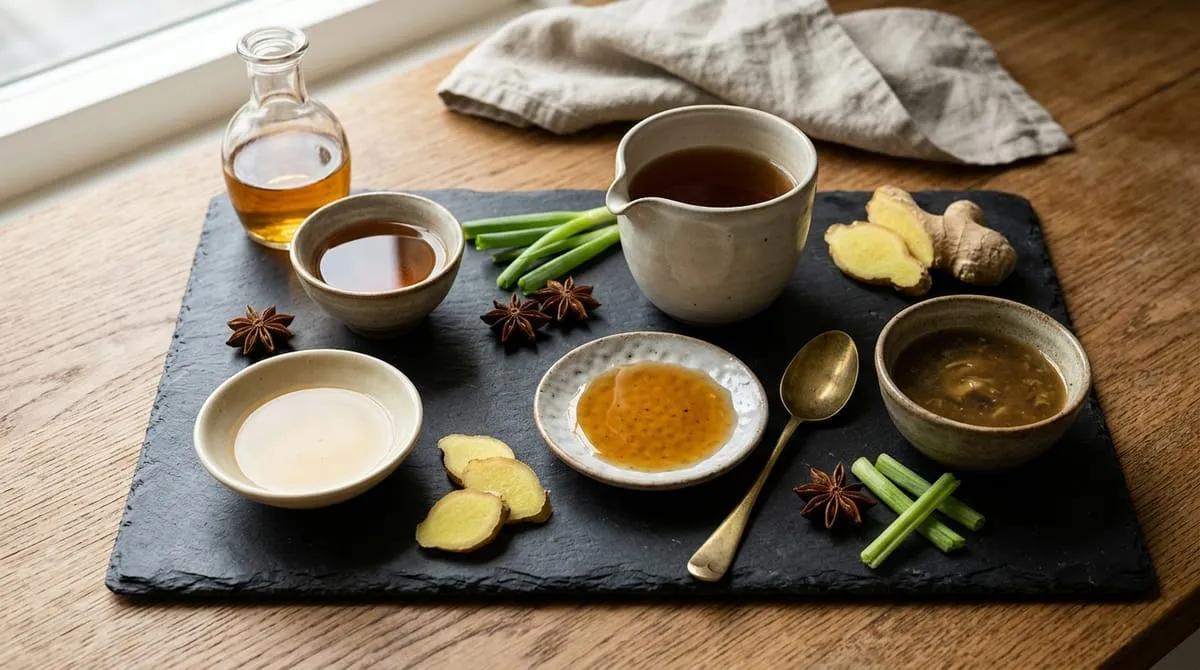
About this video: In this in-depth ingredient guide (6:24), Steph and Chris from Chinese Cooking Demystified explain what Shaoxing wine (huangjiu) actually is, how fermenting glutinous rice with a wheat starter (qu) creates its amber color and nutty depth, why Chinese cooks splash a tablespoon around the rim of a smoking-hot wok, the difference between unsalted Shaoxing wine and salted grocery-store cooking wine (liaojiu), and why dry sherry is the closest Western substitute.
More Ingredient Guides
Oyster Sauce (Chinese & Thai Oyster Sauce)
Out of oyster sauce or cooking vegetarian? Discover the 5 best substitutes (including the 30-second soy sauce + sugar + cornstarch trick and mushroom sauce).
Fish Sauce
Need a fish sauce substitute for Thai curry, Pad Thai, or dipping sauce? Use our 5 exact 1:1 swaps (including vegan soy sauce, miso & lime options).
Gochujang
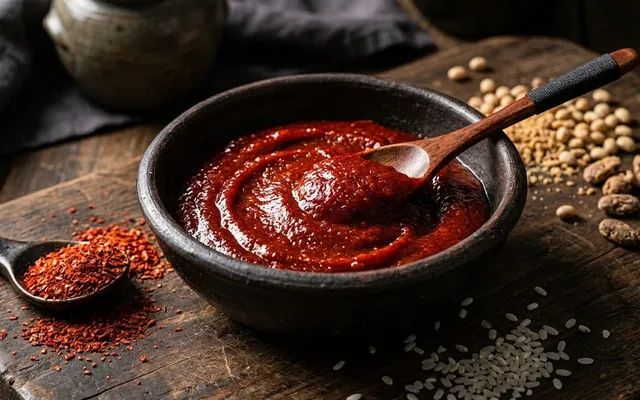
Out of gochujang or looking for it at Albert Heijn, Jumbo, or a Dutch toko? Use our exact 1:1 substitute with miso, sriracha, or gochugaru and honey.