
Rice Vinegar (Japanese & Asian Rice Vinegar)
Komezu / Su · Mild Fermented Rice Vinegar (米酢)
Out of rice vinegar? Discover the 5 best substitutes (like apple cider vinegar + sugar), how it differs from sushi vinegar and mirin, plus a DIY sushi-zu ratio.
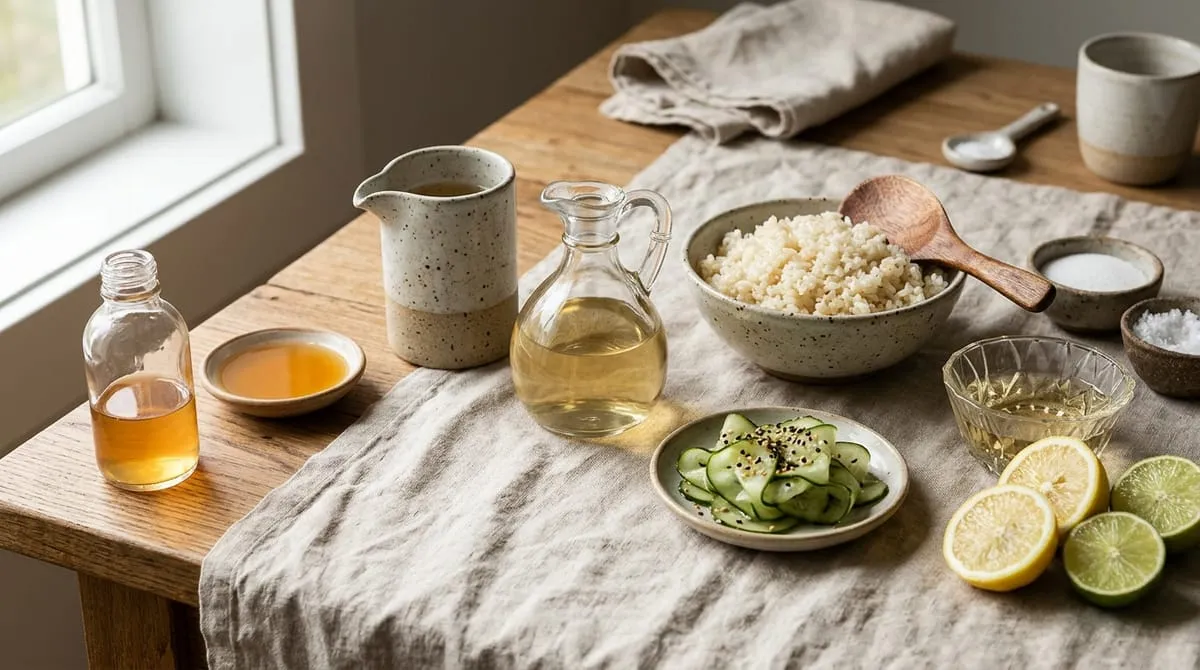
At a Glance: Where to Buy or Substitute
Netherlands Pantry GuideAvailability in the Netherlands
Unseasoned rice vinegar and pre-seasoned sushi vinegar in the Asian aisle at Albert Heijn and Jumbo (Saitaku, Kikkoman, Go-Tan); authentic Japanese and Chinese rice vinegars (Mizkan, Marukan, Kong Yen, Chinkiang) at Amazing Oriental and local Asian supermarkets.
Best Direct Substitute
1 tbsp apple cider vinegar + ¼ tsp fine caster sugar (best all-round for sushi rice, stir-fry glazes & poké bowls) OR ¾ tbsp white wine vinegar + ¼ tbsp water + ¼ tsp sugar (for clean quick pickles & dipping sauces)
You are halfway through whisking the glossy gochujang glaze for Korean Fried Chicken in the Air Fryer, quick-pickling cucumber and carrot ribbons for a bowl of Korean Bibimbap, or mixing the sticky sauce for Crispy Air Fryer Tofu, and the recipe calls for 1 tablespoon of rice vinegar. You check your pantry: no plain rice vinegar. What you do have is a bottle of apple cider vinegar, white wine vinegar, Dutch natuurazijn (distilled white spirit vinegar), and two small 150 ml glass bottles from the Albert Heijn Asian aisle — Saitaku Sushi Seasoning and Mirin.
Should you pour in standard Dutch white vinegar, or swap in a splash of mirin? Don’t do either blindly. European spirit and wine vinegars are nearly 30% to 50% more acidic than Asian rice vinegar, which turns a balanced stir-fry glaze or dumpling dip harsh and nose-stinging. And mirin isn’t vinegar at all — it is a sweet rice wine with virtually zero acidity.
Fortunately, once you understand the fermentation chemistry behind rice vinegar, you can replicate its gentle, rounded brightness in ten seconds using ingredients already on your kitchen counter.
What Is Rice Vinegar and Why Is It Milder Than Western Vinegars?
Asian white rice vinegar (known in Japan as komezu or simply su, 米酢) is brewed by taking fermented rice wine (a sake-like mash) and putting it through a secondary fermentation with acetic acid bacteria (Acetobacter). Whereas European wine and cider vinegars start from fruit sugars (grapes or apples) and Dutch natuurazijn is distilled from neutral grain alcohol, rice vinegar starts from rice starch broken down by koji enzymes into glucose and free amino acids.
That brewing process creates three major culinary differences in your pan:
- Significantly lower acidity (
4.0% to 4.5%acetic acid): Standard Dutch natuurazijn, white wine vinegar, and apple cider vinegar sit at5.0% to 6.0%acidity. Japanese and Chinese white rice vinegars sit much lower at4.0% to 4.5%. Instead of biting the back of your throat, rice vinegar delivers a gentle, clean lift. - Natural amino acids and subtle grain sweetness: Because koji fermentation generates umami-rich amino acids (such as glutamic acid), real rice vinegar has a silky mouthfeel and a whisper of natural sweetness — even when the label lists
0 gadded sugar. - No grape tannins or harsh fruit esters: Red and white wine vinegars carry grape tannins and sharp volatile esters that immediately taste “European” in sushi rice or an Asian stir-fry. Pale rice vinegar stays neutral, letting ginger, toasted sesame oil, ketjap manis, miso, and gochujang shine.
The 3-Bottle Supermarket Confusion in the Netherlands: Rice Vinegar vs. Sushi Vinegar vs. Mirin
Walk down the Asian aisle at Albert Heijn, Jumbo, or Plus and you will see three nearly identical 150 ml or 250 ml glass bottles sitting side by side. Because all three mention Rice or Sushi on the label, home cooks constantly grab the wrong bottle. Here is the exact breakdown:
| Attribute | 1. Unseasoned Rice Vinegar (Rijstazijn / Komezu) | 2. Seasoned Sushi Vinegar (Sushiazijn / Sushi Seasoning / Sushi-zu) | 3. Mirin (Sweet Rice Wine / Hon Mirin & Mirin-fu) |
|---|---|---|---|
| What’s inside? | 100% fermented rice vinegar and water (0 g added sugar or salt). |
Rice vinegar pre-mixed at the factory with 30–40% sugar and 3–5% salt (sometimes kelp extract). | Sweet Japanese cooking rice wine (14% ABV in Hon Mirin, <1% in supermarket mirin-fu) with 40–50% sugar. |
Acidity (%) |
4.0% – 4.5% acidity (pH ~2.6 – 2.9). |
3.0% – 3.8% acidity (buffered and diluted by dissolved sugar). |
0% acetic acid (pH ~5.4 — not acidic at all). |
| Flavor profile | Crisp, clean, gently tart, dry finish. | Sweet-and-sour, savory-salty, slightly syrupy. | Rich, honeyed sweetness; builds lacquer-like gloss (teri). |
| Brands in NL | Mizkan (green label Pure Rice Vinegar), Marukan (orange label), Go-Tan Rice Vinegar, Kikkoman Rice Vinegar. | Saitaku Sushi Seasoning, Kikkoman Seasoning for Sushi Rice, Mizkan Sushi Seasoning, AH Sushi Azijn. | Saitaku Mirin, Kikkoman Mirin-Style, Takara Hon Mirin (Asian grocers). |
| When to use it | Whenever a recipe calls for rice vinegar (rijstazijn) in stir-fry glazes, dressings, quick pickles, and dipping sauces. | Directly folded into warm sushi or poké bowl rice, or as a 1-step quick-pickle brine. | For sweetness and shine in Air Fryer Teriyaki Salmon, ramen tare, and braises. |
The 2 Golden Conversion Rules Between Plain Rice Vinegar and Sushi Vinegar
- You have plain unseasoned rice vinegar, and your recipe calls for sushi vinegar (sushi-zu) — enough for 400 g uncooked sushi rice:
Whisk together 3 tablespoons (
45 ml) plain rice vinegar, 1.5 tablespoons (18 g) fine caster sugar, and ¾ teaspoon (4 g) fine sea salt in a small saucepan over low heat (or microwave for 20 seconds) just until the sugar and salt crystals dissolve completely. Do not boil, or the acetic acid will evaporate. - You only have pre-seasoned sushi vinegar in the fridge, and your recipe calls for plain rice vinegar: Use 1 tablespoon of sushi vinegar per tablespoon of plain rice vinegar, but subtract 1 heaping teaspoon of sugar (or honey) and a generous pinch of salt from the rest of your recipe. If you skip that adjustment, your stir-fry glaze or dressing will turn overly sweet and salty.
The 5 Best Rice Vinegar Substitutes (Ranked by Culinary Function)
If your pantry has no plain rice vinegar, pick the substitute below that matches the dish you are cooking:
1. Apple Cider Vinegar + ¼ tsp Sugar (Best All-Round Substitute — 95% Match)
Ratio: Replace 1 tablespoon (15 ml) rice vinegar with 1 tablespoon (15 ml) mild apple cider vinegar + ¼ teaspoon fine sugar (or a few drops of honey).
Why it works so well: among Western supermarket vinegars, apple cider vinegar has the softest acidity profile because its acetic acid is balanced by softer malic acid from the apples. Its faint fruity undertone disappears completely once combined with soy sauce, garlic, ginger, toasted sesame oil, or gochujang. Adding ¼ tsp of sugar takes the edge off the 5% acidity and mimics the natural amino-acid roundness of fermented rice.
- Best for: Sushi rice (combined with your normal sushi sugar and salt), the sticky glaze for Korean Fried Chicken, Korean Bibimbap, poké bowls, and hot wok sauces.
- Note: Clear filtered apple cider vinegar leaves virtually no color; even unfiltered cider vinegar only adds a barely perceptible warm ivory tint to sushi rice without affecting flavor.
2. White Wine Vinegar + Water + ¼ tsp Sugar (Best Colorless Swap for Quick Pickles & Dips)
Ratio: Replace 1 tablespoon (15 ml) rice vinegar with ¾ tablespoon (11 ml) white wine vinegar + ¼ tablespoon (4 ml) cold water + ¼ teaspoon sugar.
At 5.5% to 6.0% acidity, European white wine vinegar is noticeably sharper than rice vinegar. Diluting three parts white wine vinegar with one part water mathematically brings the acidity down to 4.2% — matching Japanese komezu to the decimal. The pinch of sugar rounds out the dry grape finish.
- Best for: Crystal-clear Japanese cucumber salads (sunomono), quick-pickled daikon and carrots (do chua), and dipping sauces for Crispy Air Fryer Gyoza and dumplings.
3. Pre-Seasoned Sushi Vinegar (Sushi Seasoning) with Sugar/Salt Reduction
Ratio: 1-to-1 (1 tbsp sushi vinegar for 1 tbsp plain rice vinegar), provided you reduce the sugar in your recipe by 1 tsp and salt/soy sauce slightly.
As shown in our 3-bottle comparison table above, that bottle of Saitaku or Kikkoman Sushi Seasoning in your fridge door is real rice vinegar — the manufacturer simply dissolved sugar and salt into it beforehand. Since almost every Asian stir-fry sauce (like Crispy Air Fryer Tofu), sweet-and-sour glaze, or sesame dressing already calls for sugar/honey and soy sauce, cutting back the added sweetener gives you an exact 100% rice vinegar match.
4. Fresh Lime Juice or Lemon Juice (Best for Southeast Asian Salads & Dressings)
Ratio: Replace 1 tablespoon (15 ml) rice vinegar with ¾ tablespoon (11 ml) fresh lime or lemon juice + ¼ tablespoon (4 ml) water.
Citric acid from fresh citrus has a bright, floral aroma compared to fermented acetic acid. That makes lemon juice a poor fit for traditional Japanese sushi rice, but in cold noodle salads, peanut-sesame dressings, Thai or Vietnamese dipping sauces (alongside fish sauce and tamarind), or a crisp salad served next to Air Fryer Tandoori Chicken, fresh lime juice works beautifully.
5. When a Recipe Actually Meant Chinese Rice Wine (Shaoxing): Dry Sherry + Drop of Vinegar
Many translated recipes online mistakenly write “1 tablespoon rice vinegar” when the original Chinese recipe called for Chinese Shaoxing rice wine (or vice versa). Check how the liquid is used in the steps:
- If it goes into a raw meat marinade (with soy sauce and cornstarch to tenderize beef or chicken) or is splashed around the rim of a screaming-hot wok to deglaze, the recipe almost certainly meant Chinese Shaoxing rice wine (or Japanese sake), not sour vinegar. Use 1 tablespoon dry sherry (Fino or Manzanilla) instead — or see our complete guides to Shaoxing Rice Wine Substitutes and Mirin & Japanese Rice Wine Substitutes.
Dish Matrix: Which Rice Vinegar Substitute Works Best for Which Dish?
| Dish Category / Culinary Role | Best Substitute (1st Choice) | Exact Ratio (per 1 tbsp / 15 ml rice vinegar) | What to Avoid |
|---|---|---|---|
| 1. Sushi Rice & Poké Bowls (Sushi-zu) | Pre-seasoned sushi vinegar OR Apple cider vinegar (plus normal sushi sugar + salt) | 1 tbsp apple cider vinegar (plus your recipe’s standard sushi sugar and salt) |
Balsamic vinegar, red wine vinegar (stains white rice grey/pink), or lemon juice. |
| 2. Korean & Japanese Stir-Fry Glazes (Bibimbap, Korean Fried Chicken, Crispy Tofu) | Apple cider vinegar + ¼ tsp sugar OR Sushi vinegar (with less sugar in the glaze) | 1 tbsp apple cider vinegar + ¼ tsp sugar |
Undiluted Dutch natuurazijn or distilled white vinegar (creates harsh fumes in a hot pan). |
| 3. Quick Asian Pickles & Cucumber Salad (Sunomono) | White wine vinegar + water + ¼ tsp sugar | ¾ tbsp white wine vinegar + ¼ tbsp water + ¼ tsp sugar |
Dark malt vinegar or heavy aged vinegars. |
| 4. Gyoza, Dumpling & Spring Roll Dipping Sauces | White wine vinegar + water + ¼ tsp sugar (or Chinese black Chinkiang vinegar for dumplings) | ¾ tbsp white wine vinegar + ¼ tbsp water + ¼ tsp sugar (whisked with soy sauce & sesame oil) |
Mirin (contains zero acid, leaving dipping sauces flat and cloying). |
Frequently Asked Questions About Substituting Rice Vinegar (FAQ)
1. What is the difference between rice vinegar and sushi vinegar?
Unseasoned rice vinegar consists solely of fermented rice and water at 4.0% to 4.5% acidity, with zero added sugar or salt. Sushi vinegar (sushi seasoning or sushi-zu) is rice vinegar that has been pre-sweetened and salted (30–40% sugar and 3–5% salt) so it can be folded straight into warm sushi rice. Always check the ingredient list on the back of the bottle: if sugar and salt are listed, it is seasoned sushi vinegar.
2. Can you substitute mirin for rice vinegar (or vice versa)?
No — never swap them 1-to-1. Even though both are made from rice and sit next to each other at Albert Heijn and Jumbo, they do opposite jobs in the kitchen. Rice vinegar is a tart acid (pH ~2.7, 0% sugar) used to cut richness and brighten sauces; mirin is a sweet rice wine (pH ~5.4, 40–50% sugar) used to add gloss and caramelization in dishes like Air Fryer Teriyaki Salmon. Using mirin instead of rice vinegar will make your dish cloyingly sweet and flat.
3. How do you make homemade sushi vinegar from plain rice vinegar (or apple cider vinegar)?
Use the classic Japanese master ratio for 400 grams of uncooked sushi rice (enough for 4 nori rolls or 4 poké bowls): gently warm 3 tablespoons (45 ml) plain rice vinegar (or apple cider vinegar) with 1.5 tablespoons (18 grams) fine caster sugar and ¾ teaspoon (4 grams) fine sea salt over low heat just until the crystals dissolve completely. Do not boil, then fold it into freshly steamed hot rice using a slicing motion.
4. Is rice vinegar gluten-free and vegan?
Virtually all Japanese white rice vinegar (komezu, including Mizkan, Marukan, Saitaku, and Kikkoman) is brewed strictly from rice, water, and koji culture, making it 100% vegan and naturally gluten-free. Be careful with Chinese black rice vinegar (Chinkiang / Zhenjiang vinegar), however: traditional black vinegar is fermented with glutinous rice, sorghum, and wheat bran or barley, so it does contain gluten.
Recipes Using Rice Vinegar (Japanese & Asian Rice Vinegar)
Crispy Air Fryer Gyoza & Dumplings (No Hard Edges + Dipping Sauce)
Cook frozen or fresh gyoza and dumplings in the air fryer in 9 minutes without dry pleats: using the 2-step water-and-sesame-oil coat and dipping sauce.
Quick 25-Minute Miso Ramen From Scratch (Sapporo Style)
Make creamy restaurant-style Japanese miso ramen in 25 minutes: built with a velvet miso-tahini tare, 6.5-minute jammy eggs, and Dutch supermarket staples.
Korean Bibimbap (Smart 1-Pan Method & Crispy Skillet Rice Crust)
Make authentic Korean bibimbap at home without 5 pans of dishes: featuring our 1-pan namul sequence, crispy rice crust (nurungji), and gochujang sauce.
Korean Fried Chicken from the Air Fryer (Yangnyeom Chicken)
Shatteringly crisp and glistening with a sweet and spicy gochujang glaze. The authentic Korean method, but completely avoiding the deep fryer.
Crispy Air Fryer Tofu
Golden brown, shatteringly crisp on the outside, and silky inside: make crispy air fryer tofu in 20 minutes using the cornstarch-and-soy coating trick.
Video Guide & Culinary Context
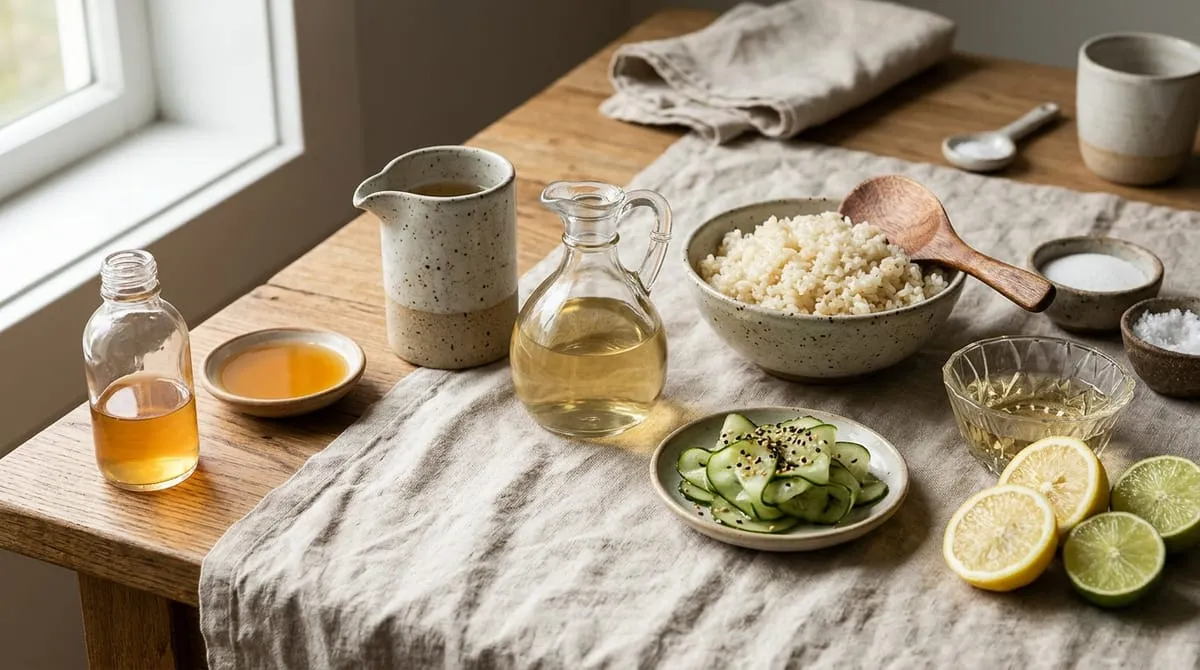
About this video: In this concise 3:38 demonstration, Taku (Outdoor Chef Life) shows how to turn plain, unseasoned Japanese rice vinegar into authentic sushi-zu by gently dissolving sugar and salt (plus optional kombu for umami) without boiling off the delicate acetic acid. Watching the ratio come together makes it immediately clear why plain rice vinegar and pre-seasoned sushi vinegar are not interchangeable 1-to-1 without adjusting your recipe.
More Ingredient Guides
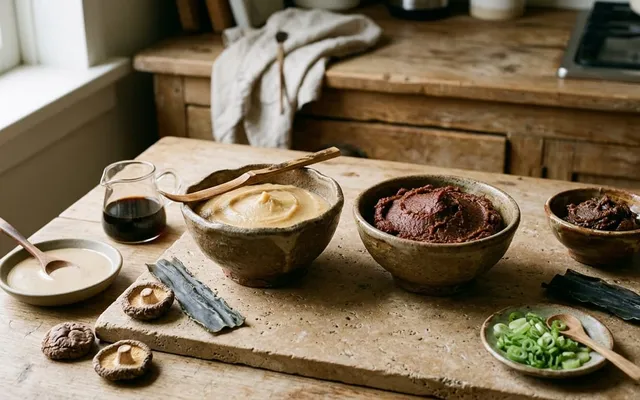
Miso (Japanese Miso Paste)
Out of white or red miso paste for soup, ramen, glazes, or dressings? Use our 5 ranked miso substitutes with exact ratios, plus shiro vs. aka miso in NL.
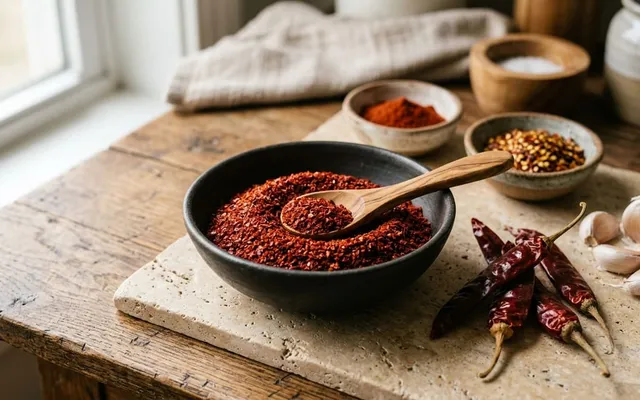
Gochugaru (Korean Chili Flakes)
Need a gochugaru substitute or looking for it at Albert Heijn, Jumbo, or a Dutch toko? Learn why Italian chili flakes burn too hot and the 3 best swaps.
Gochujang
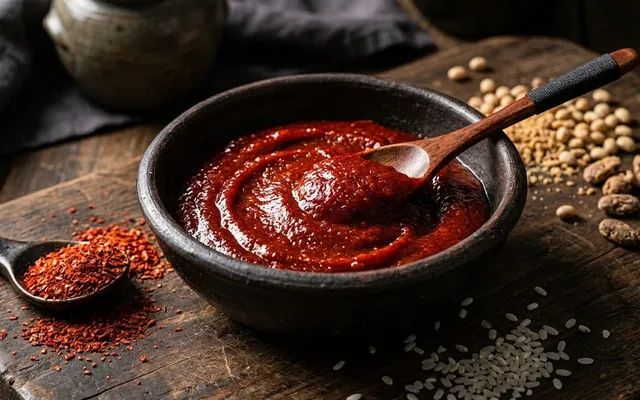
Out of gochujang or looking for it at Albert Heijn, Jumbo, or a Dutch toko? Use our exact 1:1 substitute with miso, sriracha, or gochugaru and honey.