
Lemongrass (Sereh)
Cymbopogon citratus · Southeast Asian aromatic grass stalk
Out of fresh lemongrass (sereh)? Use our exact substitute ratios for dried lemongrass powder, lime zest + ginger, and paste, plus Dutch buying and freezer tips.
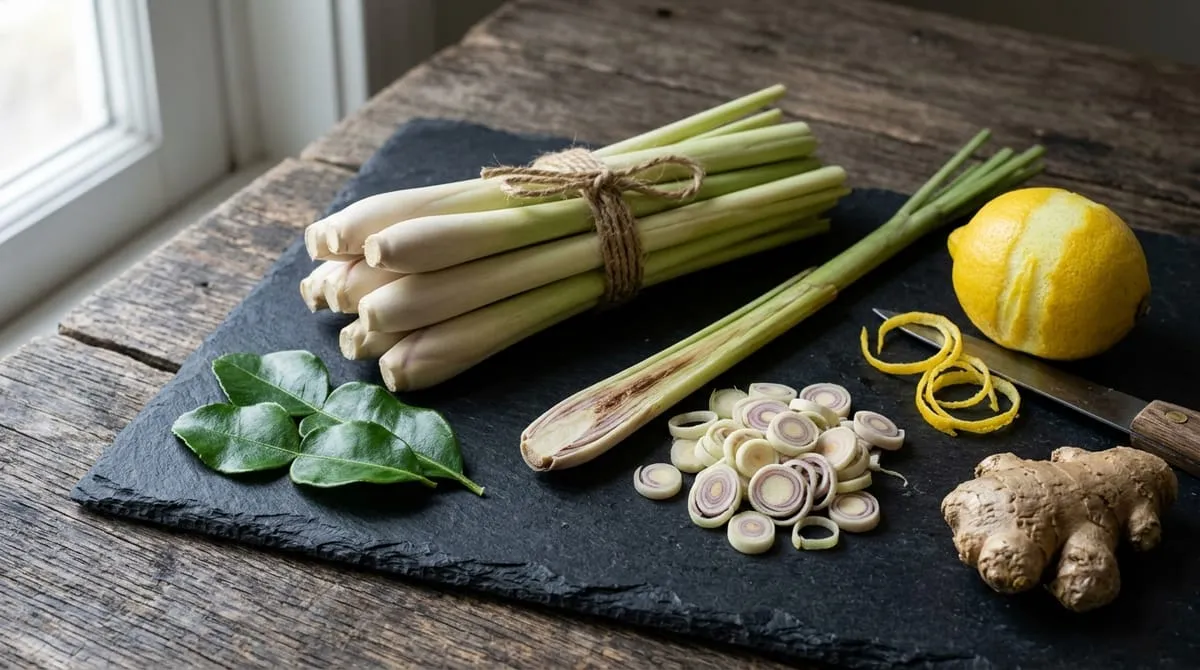
At a Glance: Where to Buy or Substitute
Netherlands Pantry GuideAvailability in the Netherlands
Fresh stalks in 2–3 packs at Albert Heijn and Jumbo (produce aisle); large bundles (10–15 stalks) and frozen stalks at Asian supermarkets / tokos (Amazing Oriental, Wah Nam Hong); dried lemongrass powder (serehpoeder) and bottled paste in the Asian aisle of almost every Dutch supermarket.
Best Direct Substitute
1 strip unwaxed lime or lemon zest + 1 thin coin bruised fresh ginger (for broths/stews) OR 1 tsp ground lemongrass powder per stalk (for pastes/marinades)
You are halfway through prepping a pot of Authentic Indonesian Beef Rendang or a fragrant Thai coconut broth when you check the crisper drawer and discover your two stalks of fresh lemongrass (sereh) have dried into brittle, hollow straw. On your spice rack sits a small jar of dried serehpoeder (ground lemongrass), and on the counter sits a fresh lime and a lemon. Do you reach for the citrus juice or the dried powder?
Put the lemon juice down first. The single most common mistake home cooks make when substituting lemongrass is assuming that because it smells like lemon, it is supposed to make a dish sour. In reality, lemongrass delivers an intense herbal-citrus aroma without adding a single drop of acidity. If you squeeze half a lemon into a rich coconut stew to replace missing lemongrass, you drop the pH of the sauce, risk curdling the coconut milk, and add sharp citric acid where the recipe needed warm, floral fragrance.
Here is everything you need to know about cooking with lemongrass (widely sold under its Indonesian name sereh in the Netherlands): what it does chemically in the pan, how to prep a fresh stalk using two completely different cutting methods, the five best substitutes ranked by dish type, and how to buy and freeze it so you never throw away shriveled supermarket stalks again.
What Is Lemongrass (Sereh) and Why Doesn’t It Taste Sour?
Lemongrass (Cymbopogon citratus) is a tall, perennial tropical grass native to Maritime Southeast Asia and South Asia. In Dutch supermarkets and Indonesian recipes it is almost universally labeled sereh (or serai); in Thai kitchens it is known as takrai (ตะไคร้), and in Vietnam as sả. Unlike tender culinary herbs such as chives or scallions, lemongrass grows in dense, fibrous stalks with a pale yellow-green to ivory-white bulbous base.
Its flavor is locked inside microscopic oil glands nestled between those tough structural fibers. When you bruise, slice, or pound the stalk, two primary volatile compounds are released:
- Citral (roughly 65–85% of the essential oil): The exact same terpene aldehyde found in the colored outer peel (flavedo) of lemons and limes. It provides a bright, clean citrus top note.
- Myrcene and geraniol: Secondary aromatic compounds that contribute a warm, herbal, slightly ginger-and-rose undertone that plain lemon peel lacks.
The critical culinary distinction: lemongrass contains zero citric acid. Its pH is nearly neutral. Whereas lemon juice, lime juice, or tamarind paste stimulates the sour taste buds on your tongue, lemongrass works almost entirely through aroma. That is why the golden rule of substituting fresh lemongrass is to use citrus zest (where the citral oil lives)—never raw citrus juice.
Anatomy of a Fresh Stalk: Bruising Whole vs. Slicing Paper-Thin
Many cooks end up spitting out woody splinters because they chop an entire stalk of lemongrass—green top and all—into a stir-fry. A fresh stalk of sereh has two distinct zones that require completely different preparation methods depending on the dish:
Method 1: Bruise and Knot the Whole Stalk (For Stews, Rendang & Broths)
When making a slow-simmered braise like Authentic Indonesian Beef Rendang or Thai Massaman Curry, Indonesian soto ayam, Thai tom kha, or aromatic coconut rice, the lemongrass acts like a bay leaf: you want its volatile oils to infuse into the liquid, and you fish the fibrous stalk out before serving:
- Trim off the dry, woody root disc at the very bottom (about 0.5 cm) and the dry, grassy green tops.
- Peel away the loose, papery outermost leaf layer.
- Lay the flat side of a heavy chef’s knife or cleaver (or use a mortar pestle) over the thick lower half of the stalk and give it two firm whacks with the heel of your palm until the stalk cracks open. Bruising ruptures the internal oil cells so the citral escapes into the simmering liquid.
- The Indonesian knot: Fold the bruised stalk in half or tie it into a single loose knot so it stays intact while stirring, then drop it straight into the pot.
Method 2: Slice Only the Tender Lower Bulb Paper-Thin (For Bumbu, Curry Pastes & Stir-Fries)
When pounding an Indonesian bumbu (such as the spice paste alongside our Authentic Nasi Goreng), blending a Thai green or red curry paste, or making a Vietnamese lemongrass marinade, the lemongrass stays inside the finished dish and must be tender enough to eat:
- Slice off the hard bottom root base just above where the rings meet.
- Strip away the 1 to 2 tough, fibrous outer leaves until you expose the smooth, pale ivory-to-lavender core that yields easily when pressed with a fingernail.
- Use only the bottom 8 to 10 cm of the stalk. Everything above that pale bulb is too woody to chew (save the tough upper green stalks in the freezer to simmer in future soup stocks or steep as fresh lemongrass tea).
- Using a razor-sharp knife, slice the tender lower bulb crosswise into paper-thin 1 mm rings before transferring them to your mortar and pestle or food processor. Cutting across the long cellulose fibers first prevents stringy bits in your spice paste.
The 5 Best Lemongrass Substitutes (Ranked by Dish Type)
Because a whole bruised stalk steeping in clear broth behaves nothing like finely ground lemongrass fried in oil, always match your substitute to your cooking method:
1. Unwaxed Lime Zest (or Lemon Zest) + Bruised Fresh Ginger (Best for Broths, Soups & Braises)
In dishes where whole stalks simmer and are removed before serving, this two-ingredient combination from any Dutch supermarket comes remarkably close to fresh lemongrass. Lime or lemon peel supplies natural citral oil, while a thin coin of bruised fresh ginger provides the warm, herbal base note.
- Ratio per 1 stalk of fresh lemongrass: 1 strip of unwaxed lime or lemon peel (approx. 4 × 1 cm, removed with a vegetable peeler without the bitter white pith) + 1 thin coin (2 mm) of bruised fresh ginger.
- How to use: Simmer the strip of zest and ginger coin right alongside your other aromatics (such as fresh galangal) and remove them before serving. For quick pan sauces or dressings, use ½ teaspoon finely grated lime zest + ¼ teaspoon grated fresh ginger.
2. Dried Lemongrass Powder / Serehpoeder (Best for Bumbu Pastes, Dry Rubs & Marinades)
Every Dutch supermarket carries small jars labeled gemalen citroengras or serehpoeder (from Conimex, Verstegen, or Euroma) in the spice or Asian aisle. It is 100% dehydrated, finely milled lemongrass. While drying sacrifices some of the bright top notes, the warm, woody citrus aroma holds up well in oil-rich pastes.
- Ratio per 1 stalk of fresh lemongrass: 1 level teaspoon dried lemongrass powder (serehpoeder).
- Where it shines: Blended spice pastes (bumbu for rendang or satay marinades), thick coconut curries, and dry spice rubs. Always fry the powder in oil alongside your onions, garlic, and ginger for 1 to 2 minutes so the dried fibers hydrate and bloom.
- Why it fails in clear soups: Never stir loose serehpoeder directly into a clear broth like Tom Yum or Soto Ayam. Dried lemongrass powder consists of insoluble woody grass fibers that never dissolve—it turns clear broth murky and leaves a dusty, gritty texture on the tongue. Workaround: If dried powder is all you have for a soup, spoon 1 tsp into a disposable paper tea filter bag, tie it shut, and steep it in the broth like a tea bag.
3. Bottled Lemongrass Paste (Convenient for Weeknight Stir-Fries & Noodles)
Dutch supermarkets and tokos stock small jars or tubes of pre-minced lemongrass paste (such as Go-Tan or Conimex citroengraspasta).
- Ratio per 1 stalk of fresh lemongrass: 1 level tablespoon (or 2 heaping teaspoons) lemongrass paste.
- Check the label: Most commercial pastes are preserved with citric acid, salt, water, and sugar. Because of that added acid, bottled paste tastes noticeably tangier than fresh stalks. Taste your sauce before adding extra lime juice or fish sauce.
4. Kaffir Lime Leaf (Djeroek Poeroet) + Lime Zest (Best in Coconut Curries)
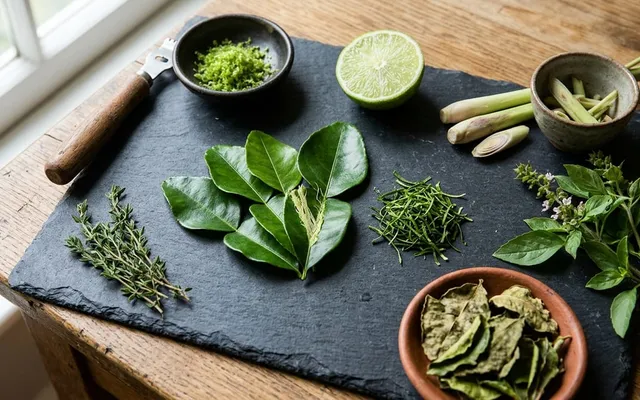
If you already keep frozen kaffir / makrut lime leaves (djeroek poeroet) on hand for Indonesian or Thai cooking, they make a seamless bridge when you run out of lemongrass. While kaffir lime leaf is dominated by citronellal (more floral and perfumed than the citral in lemongrass), pairing an extra torn leaf with a pinch of lime zest covers the aromatic gap in coconut milk dishes.
- Ratio per 1 stalk of fresh lemongrass: 1 extra torn kaffir lime leaf + ½ teaspoon freshly grated lime zest.
5. Fresh Lemon Verbena (Citroenverbena) or Cilantro Stems + Lemon Zest
For bright Thai salads, marinades, or quick noodle stir-fries like our Vegan Pad Thai Without Fish Sauce where you want a fresh herbal-citrus lift:
- Ratio per 1 stalk of fresh lemongrass: 4 bruised fresh lemon verbena leaves (which naturally contain high levels of citral) OR 2 finely minced fresh cilantro stems + ½ teaspoon grated lemon zest.
Quick Comparison Table: Which Substitute Works Where?
| Dish Application | Best Substitute (per 1 stalk lemongrass) | Runner-Up Option | What to Avoid |
|---|---|---|---|
| Slow Braises & Rendang (long simmering) | 1 strip lime peel + 1 thin coin bruised ginger (or 1 tsp serehpoeder fried in the bumbu) | 1 extra torn kaffir lime leaf + ½ tsp lime zest | Raw lemon or lime juice (adds unwanted sourness and can split coconut emulsions) |
| Bumbu & Thai Curry Pastes (mortar/blender) | 1 level tsp dried lemongrass powder (serehpoeder) fried with the paste | 1 tbsp bottled lemongrass paste | Large strips of citrus peel blended whole (the white pith turns the paste bitter) |
| Clear Soups & Broths (Tom Yum, Soto) | 1 strip unwaxed lime/lemon peel + 1 coin fresh ginger (steeped & removed) | 1 tsp serehpoeder sealed inside a paper tea filter bag | Loose dried powder or jarred paste (makes clear broth cloudy and gritty) |
| Stir-Fries, Satay & Marinades (high heat) | ½ tsp grated lime zest + ¼ tsp grated ginger (or 1 tsp serehpoeder) | 2 minced cilantro stems + ½ tsp lemon zest | Whole dried lemongrass tea flakes (burn and turn acrid in a hot wok) |
Buying and Freezing Lemongrass in the Netherlands
Dutch Supermarkets vs. Asian Supermarkets (Toko)
At Albert Heijn, Jumbo, and Plus, fresh lemongrass is sold in the refrigerated produce section in small plastic trays holding 2 to 3 stalks. When choosing a pack, inspect the lower bulb: look for heavy, firm stalks with a plump, pale base and tight outer leaves. Skip trays where the cut base looks dark brown, spongy, or shriveled.
If you visit Amazing Oriental, Wah Nam Hong, or a local independent grocer from our Toko Finder, you can buy a generous bundle of 10 to 15 plump stalks (or pre-frozen whole stalks) for roughly the same price as a two-stalk supermarket tray.
The 6-Month Freezer Trick (Better Than the Crisper Drawer)
Because lemongrass has low water content and rigid cell walls, it freezes with almost zero loss of aromatic oil—and actually becomes easier to slice:
- Rinse your fresh toko bundle, pat the stalks completely dry, and trim off only the wispy dry green tips so the stalks fit inside a freezer bag.
- Seal the whole, unpeeled stalks in a zip-top freezer bag with the air pressed out. At -18°C, they keep their full aroma for up to 6 months.
- Slice straight from frozen: Pull out a frozen stalk, let it sit on the cutting board for 60 seconds, peel the outer leaf, and slice the lower bulb directly into paper-thin rings. Because the water inside the stalk is frozen solid, your knife slices cleanly through the fibers without crushing or fraying them.
In the refrigerator crisper drawer, fresh stalks last 2 to 3 weeks when wrapped loosely in a barely damp paper towel inside a perforated plastic bag.
Frequently Asked Questions (FAQ)
1. How much dried lemongrass powder (serehpoeder) equals 1 fresh stalk? Use 1 level teaspoon of dried lemongrass powder (serehpoeder) to replace 1 medium fresh stalk of lemongrass. Always bloom the powder in warm oil with your onions, garlic, and ginger for 60 seconds so its essential oils release into the dish.
2. Can I substitute lemon juice or lime juice for lemongrass? No. Lemongrass shares the aromatic oil citral with lemons and limes, but it contains no citric acid. Replacing lemongrass with lemon or lime juice makes your dish sour rather than fragrant. Always use the colored outer peel (lemon or lime zest) paired with a thin slice of fresh ginger instead.
3. Is fresh lemongrass edible, or do you always remove it from the pot? It depends entirely on which part of the stalk you use and how you cut it. Whole or halved bruised stalks are far too woody to chew—simmer them like bay leaves in rendang or soup and discard them before serving. However, if you peel away the tough outer layers and slice only the tender pale bottom bulb (the lower 8–10 cm) into paper-thin 1 mm rings before pounding or blending, it softens completely and is meant to be eaten in curry pastes, bumbu, and stir-fries.
4. What is the difference between lemongrass (sereh) and galangal (laos)? Galangal (laos) is an underground rhizome in the ginger family with a sharp, resinous pine-and-eucalyptus aroma, whereas lemongrass (sereh) is an above-ground grass stalk with a bright, floral lemon scent. In Indonesian and Thai cooking they are almost always paired together: lemongrass provides the high citrus top note, while galangal anchors the broth or spice paste with cooling, earthy depth.
Recipes Using Lemongrass (Sereh)
Authentic Thai Massaman Curry with Beef, Potatoes & Peanuts
Make velvety Thai Massaman curry from scratch: tender Dutch sukadelappen beef (or 35-min chicken thighs), waxy potatoes, roasted peanuts, and tamarind balance.
Authentic Indonesian Beef Rendang (From Scratch)
Make West Sumatran beef rendang from scratch in a Dutch kitchen: using sukadelappen, a freshly pounded bumbu, full-fat coconut milk, and toasted coconut.
Authentic Nasi Goreng (No Packets)
Make fragrant Indonesian nasi goreng without spice packets: using chilled jasmine rice, a freshly pounded bumbu paste, and caramelized ketjap manis in a wok.
Vegetarian Pad Thai (No Fish Sauce)
The authentic taste of Bangkok, but 100% plant-based. Learn the secret of the irresistible tamarind sauce and perfectly chewy, non-sticky noodles.
Video Guide & Culinary Context
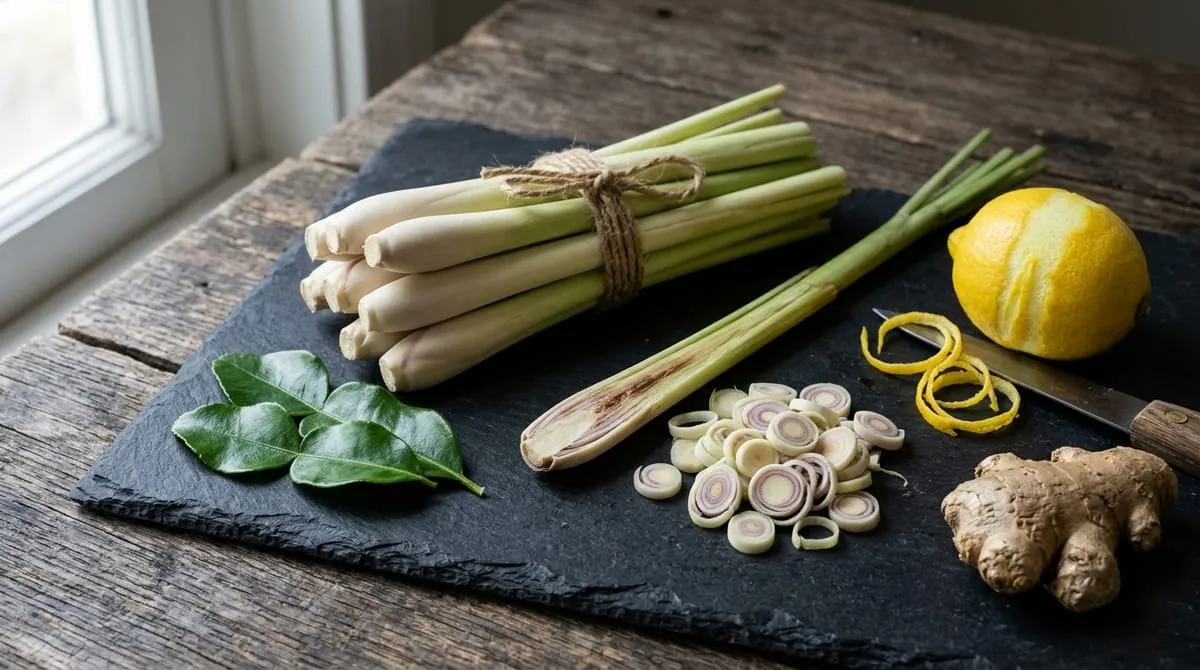
About this video: In this comprehensive ingredient guide (5:31), Pailin Chongchitnant (Hot Thai Kitchen / Pailin's Kitchen) demonstrates how to select, trim, and prepare fresh lemongrass (sereh): stripping the woody outer layers, bruising whole stalk sections for infused broths and stews versus slicing only the tender pale lower bulb into paper-thin rings for curry pastes and stir-fries, freezing whole stalks for months, and substituting with lemon or lime zest when fresh stalks are unavailable.
More Ingredient Guides
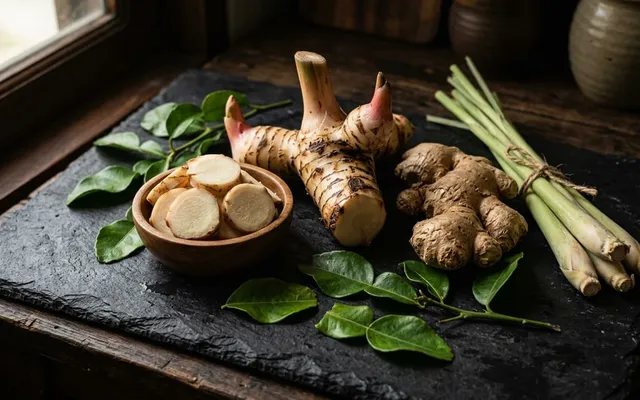
Galangal
Need a galangal substitute or looking for fresh laos vs. laos powder at Albert Heijn, Jumbo, or a Dutch toko? Exact conversion ratios for curry & Tom Kha.
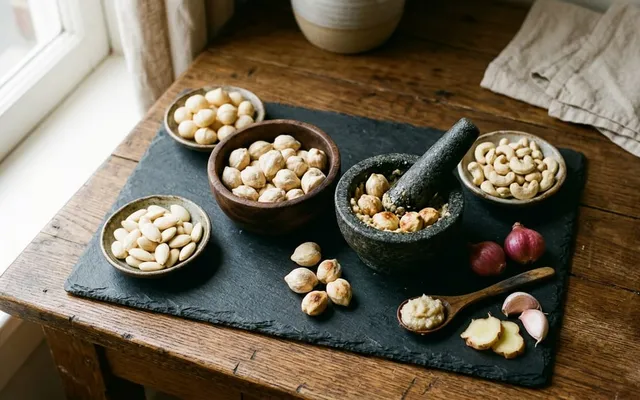
Candlenuts (Kemiri / Buah Keras)
Out of candlenuts (kemiri) for your Indonesian bumbu or rendang? Use our 5 best substitutes (macadamia, cashew, and nut-free) and learn why to toast them.
Makrut / Kaffir Lime Leaves (Djeroek Poeroet)
Out of makrut (kaffir) lime leaves or djeroek poeroet? Use our 5 best substitutes with exact ratios, plus how to slice them and where to buy them in NL.