
Harissa (North African Chili Paste)
Harissa & Rose Harissa · Tunisian and Moroccan spiced chili paste (هريسة)
Out of harissa or rose harissa? Use our 30-second swap with sambal, tomato paste, and cumin, plus the difference between tube and jar harissa in the Netherlands.
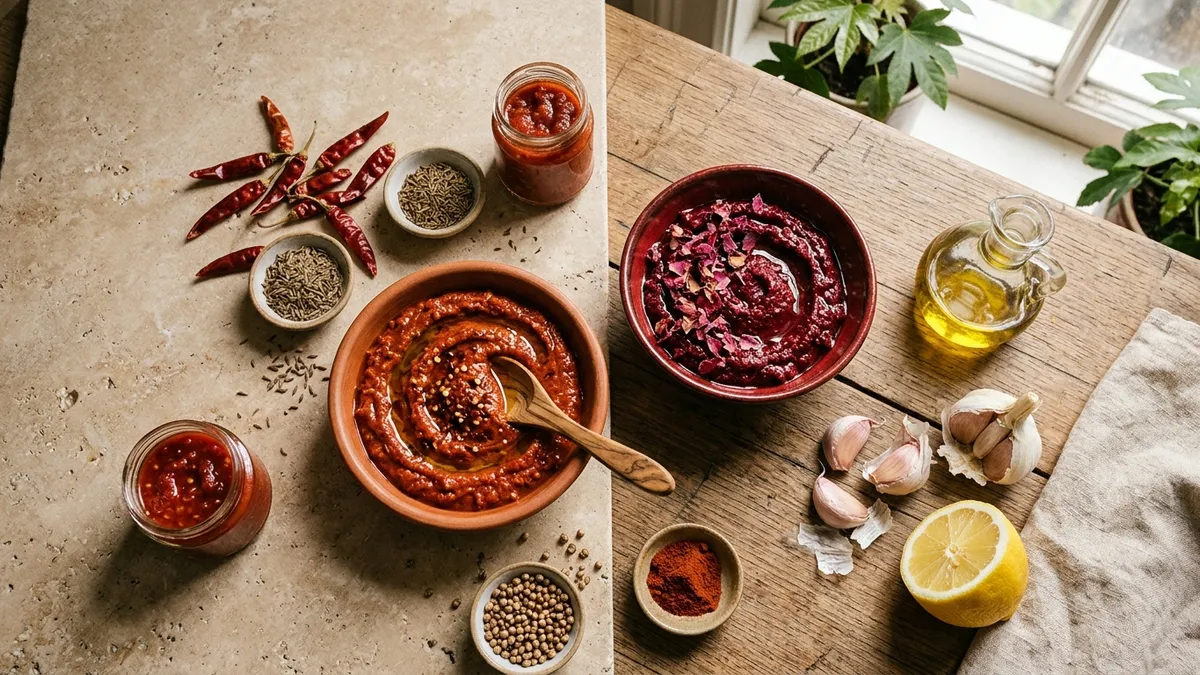
At a Glance: Where to Buy or Substitute
Netherlands Pantry GuideAvailability in the Netherlands
Mild jar harissa and rose harissa at Albert Heijn and Jumbo (Souq, Al'Fez, Belazu); fiery concentrated Tunisian harissa in red-and-yellow tubes or tins (Le Phare du Cap Bon, DEA) at every Turkish and Moroccan supermarket plus the world-food aisle at Albert Heijn.
Best Direct Substitute
2 tsp sambal oelek + 1 tsp tomato paste + 1 tsp extra-virgin olive oil + ½ tsp ground cumin + ½ tsp ground coriander + ¼ tsp smoked paprika (per 1 tbsp harissa)
You are halfway through prepping a pot of Roasted Tomato Basil Soup, a tray of spiced cauliflower, or the warm honey-harissa glaze for our Crispy Air Fryer Halloumi when you realize your jar of harissa paste is empty. Sitting inside your fridge door, however, is a jar of Indonesian sambal oelek, a tube of tomato paste, and a bottle of sriracha. Can you just spoon plain sambal oelek straight into the pan?
Not without a quick tweak. Even though both sambal and harissa are built around red chilies, they belong to completely different culinary worlds. Plain sambal oelek is a raw mash of fresh red chilies, salt, and vinegar: its heat is bright, sharp, and one-dimensional. Authentic North African harissa is an oil-based aromatic paste in which dried, smoky chilies are carried by extra-virgin olive oil, garlic, and a toasted spice triad of cumin, coriander seed, and caraway. Swap harissa 1-to-1 for plain sambal oelek and your stew, soup, or couscous loses the warm, earthy Maghrebi perfume that makes the dish work.
The good news: using that jar of sambal oelek, a teaspoon of tomato paste, olive oil, and two spices already sitting in your Dutch kitchen cupboard, you can stir together a 30-second pantry harissa that is nearly indistinguishable from a boutique jar in cooked dishes.
What Is Harissa and Why Does It Taste So Different from Sambal?
Harissa (هريسة, derived from the Arabic root verb harasa, meaning “to pound” or “to crush”) originated in Tunisia, where it has served as the national condiment since Spanish traders introduced New World chili peppers to North Africa in the 16th century. From Tunisia, the paste spread across Morocco, Algeria, Libya, and the wider Levantine kitchen.
Real harissa rests on four flavor pillars that standard hot sauces lack:
- Sun-dried and lightly smoked chilies (such as Baklouti peppers): Rather than watery raw chilies, traditional harissa starts with dried red peppers rehydrated in warm water, giving the paste a deep, dried-fruit, faintly smoky undertone.
- The North African spice triad: Harissa gets its unmistakable warmth from toasted cumin seed (earthy and grounding), coriander seed (bright and citrus-floral), and caraway seed (minty, anise-tinted warmth).
- Garlic and citrus: Crushed garlic and lemon juice cut through the rich chilies.
- Extra-virgin olive oil as the carrier: Whereas sambal and sriracha are water- and vinegar-based, harissa is a fat-carried paste. Olive oil dissolves the fat-soluble essential oils inside the toasted spices alongside the capsaicin in the peppers, so the heat spreads across your palate in a slow, warm wave rather than stinging the tip of your tongue.
The Dutch Supermarket Trap: The 3 Types of Harissa in the Netherlands
If you live in the Netherlands and follow a recipe that calls for “2 tablespoons harissa,” check your container before measuring. Dutch supermarkets and Moroccan/Turkish grocers stock three radically different styles of harissa, and one of them is three times hotter and saltier than the others:
| Feature | 1. Tunisian Tube or Tin Harissa | 2. Supermarket Jar Harissa | 3. Rose Harissa (Rozenharissa) |
|---|---|---|---|
| Common Brands in NL | Le Phare du Cap Bon, DEA, Sicam (iconic red-and-yellow metal tube or small tin) | Souq, Al’Fez, Fait Tout (130–180 g glass jar) | Belazu Rose Harissa, Souq Rozenharissa (glass jar) |
| Where to Buy in NL | Every Turkish/Moroccan supermarket plus the bottom shelf of the world-food aisle at Albert Heijn | Albert Heijn, Jumbo, Plus, and online grocers | Larger Albert Heijn stores, Crisp, Marqt, and specialty delis |
| Ingredient Base | Highly concentrated: 85 to 87% hot red chilies, garlic, coriander, caraway, and salt | Milder: chilies mellowed with roasted red bell pepper, tomato puree, sunflower/olive oil, and cumin | Slow-simmered chilies, spices, garlic, and dried Damascus rose petals |
| Heat Level & Texture | Fiery hot & salty (smooth, dense paste squeezed like toothpaste) | Mild to medium heat (spoonable, looser, fruity-sweet) | Medium heat, rich & floral (thick, dark-crimson oil paste) |
| How to Dose in Recipes! | Use only ⅓ to ½ the amount called for in modern Dutch or Ottolenghi recipes (1 tsp tube = 1 tbsp jar)! | Standard dosing (1-to-1 in modern recipes) | Standard dosing (1-to-1); extraordinary for glazes and finishing drizzles |
Smaakkade Kitchen Tip: If a recipe from Yotam Ottolenghi or Smaakkade asks for 1.5 tablespoons of harissa and all you have in the fridge is the classic yellow-and-red metal tube of Le Phare du Cap Bon, mix 1 teaspoon from the tube with 1 teaspoon tomato paste and 1 teaspoon olive oil. That gives you the exact volume and mellow body of jar harissa without blowing your guests’ heads off.
The Golden Rule: Why You Should Always “Bloom” Harissa in Warm Oil for 45 Seconds
Never dump a spoonful of cold harissa straight into boiling water or broth. Just like Indian spices or tomato paste, the key flavor compounds in harissa—the volatile essential oils in cumin, coriander, and caraway plus the red carotenoid pigments in the peppers—are fat-soluble (lipophilic).
By frying harissa gently in warm olive oil for 30 to 60 seconds first (just as we do at the start of our Roasted Tomato Basil Soup and in the honey-harissa glaze for Crispy Air Fryer Halloumi):
- You cook off the raw, tinny acidity of any tomato paste or citric acid in the jar;
- The olive oil turns a glowing crimson-orange and perfumes the whole kitchen with toasted cumin and roasted pepper;
- The chili heat mellows from sharp to rounded.
The 5 Best Harissa Substitutes (With Exact Ratios)
Out of harissa right now? Pick the substitute below that matches your dish and what is sitting in your Dutch cupboard:
Quick-Reference Conversion Table
| Substitute | Ratio (per 1 tbsp jar harissa) | Best Culinary Application | Flavor Match |
|---|---|---|---|
| 1. The 30-Second “Dutch Cupboard Harissa” (Sambal + Tomato Paste + Oil + Spices) | 2 tsp sambal oelek + 1 tsp tomato paste + 1 tsp olive oil + ½ tsp cumin + ½ tsp coriander + ¼ tsp smoked paprika | Everything: soups, couscous, tagines, marinades, and honey-harissa glazes | 9.5 / 10 |
| 2. Sambal Badjak + Cumin & Lemon | 1 tbsp sambal badjak + ½ tsp ground cumin + 1 tsp olive oil + squeeze of lemon | Quick glazes for roasted vegetables, Crispy Air Fryer Halloumi, or yogurt dips | 8.5 / 10 |
| 3. Chipotle in Adobo (or Smoked Paprika + Cayenne) | 2 tsp minced chipotle in adobo + 1 tsp olive oil + ½ tsp ground cumin | Smoky stews, shakshuka, chickpea braises, and tomato soup | 8 / 10 |
| 4. Gochujang + Cumin & Lemon Juice | 2 tsp gochujang + 1 tsp olive oil + ½ tsp ground cumin + ½ tsp lemon juice | Air-fryer glazes (halloumi, chicken, tofu) and roasted root vegetables | 7.5 / 10 |
| 5. Dry Spice Rack Emergency Paste (Zero chili paste on hand) | 1 tsp sweet paprika + ¼ tsp cayenne + ½ tsp cumin + ½ tsp coriander + ½ tsp tomato paste + 1 tbsp olive oil | Stews, soups, roasted chickpeas, and meat rubs | 8 / 10 |
1. Best All-Purpose Substitute (9.5/10): The 30-Second “Dutch Cupboard Harissa”
Almost every kitchen in the Netherlands has a small jar of sambal oelek in the fridge, a tin or tube of tomatenpuree (concentrated tomato paste), and ground cumin in the spice drawer. Combine them in the right ratio and you reconstruct the exact flavor architecture of North African jar harissa in thirty seconds flat.
- Why it works: Sambal oelek provides the crushed red chilies and salt; tomato paste and smoked paprika supply the sweet, sun-dried red-pepper body; ground cumin and coriander add the signature Maghrebi warmth; and extra-virgin olive oil emulsifies the mixture into a glossy fat-carried paste.
- Exact formula for 1 tablespoon (15 ml) harissa:
Stir together in a small bowl:
- 2 teaspoons sambal oelek (use 1 teaspoon for mild heat)
- 1 teaspoon double-concentrated tomato paste (tomatenpuree)
- 1 teaspoon extra-virgin olive oil
- ½ teaspoon ground cumin (komijn / djinten)
- ½ teaspoon ground coriander seed (koriander / ketoembar)
- ¼ teaspoon smoked sweet paprika (plus ¼ grated garlic clove if your dish does not already contain garlic)
- How to use it: Bloom this paste in warm oil for 45 seconds just as you would real harissa before adding liquids.
2. Best Quick Swap for Glazes & Yogurt Dips: Sambal Badjak + Cumin
Do you have a jar of sambal badjak (Indonesian fried onion-and-chili sambal) in the fridge alongside regular sambal oelek?
- Why it works: Unlike raw sambal oelek, sambal badjak has already been slow-cooked in oil with caramelized onions, garlic, and spices. Its vinegar edge is gone, giving it the same jammy, rounded oil texture as boutique rose harissa.
- Exact ratio (per 1 tablespoon harissa): Mix 1 tablespoon sambal badjak + ½ teaspoon ground cumin + 1 teaspoon olive oil + a squeeze of fresh lemon juice. (Vegetarian note: check the label on your sambal badjak—some brands include a trace of trassi shrimp paste, though many Dutch supermarket jars are plant-based).
3. Best for Shakshuka, Beans & Tomato Soup: Chipotle Peppers in Adobo
If you cook Mexican food and have a tin or jar of chipotle peppers in adobo sauce in the fridge, you have a powerhouse substitute for harissa in hearty tomato dishes.
- Why it works: Chipotles are smoke-dried red jalapeños braised in a tangy tomato-garlic-spice sauce. They share the exact smoky, dried-fruit chili depth of Tunisian Baklouti peppers.
- Exact ratio (per 1 tablespoon harissa): Finely mince or mash 2 teaspoons chipotle in adobo and stir with 1 teaspoon olive oil and ½ teaspoon ground cumin. Exceptional in our Shakshuka with Harissa and Feta, Roasted Tomato Basil Soup or stirred into warm chickpeas alongside Authentic Air Fryer Falafel.
4. Best for Air-Fryer Glazes: Gochujang + Cumin & Lemon
Have a red tub of Korean gochujang in the fridge from making Korean Bibimbap or Korean Fried Chicken from the Air Fryer?
- Why it works: Gochujang has a thick, glossy paste body and deep sun-dried red-chili warmth that caramelizes beautifully on roasted cauliflower, carrots, chicken, or halloumi. Because gochujang is sweeter and lacks North African spices, you simply add olive oil, cumin, and lemon juice.
- Exact ratio (per 1 tablespoon harissa): Whisk 2 teaspoons gochujang + 1 teaspoon olive oil + ½ teaspoon ground cumin + ½ teaspoon fresh lemon juice, and slightly reduce any honey or sugar in the recipe.
5. Zero Chili Paste in the Fridge? The Dry Spice Rack Emergency Paste
Out of both harissa and sambal? You can build a remarkably good harissa paste straight from dry spices, tomato paste, and olive oil:
- Exact ratio (per 1 tablespoon harissa): Stir together 1 teaspoon sweet paprika + ¼ to ½ teaspoon cayenne pepper (or crushed red pepper flakes) + ½ teaspoon ground cumin + ½ teaspoon ground coriander + ½ teaspoon tomato paste + 1 tablespoon extra-virgin olive oil. Let this paste sizzle gently in the pan for 30 seconds with a grated clove of garlic so the dry spices bloom in the warm oil.
Buying and Storing Harissa in the Netherlands (The Olive-Oil Seal)
- Keep both a tube and a jar: Many cooks in the Netherlands keep two styles on hand: an inexpensive metal tube of Le Phare du Cap Bon (around €1.50 at any Turkish or Moroccan grocer—see our Dutch Toko & World Grocer Finder) for fiery heat in couscous broths and stews, and a glass jar of rose harissa (Belazu or Souq at Albert Heijn) for spooning generously over roasted vegetables, hummus, and halloumi.
- The North African olive-oil seal against mold: Once opened, a glass jar of harissa can dry out around the rim in the fridge and develop surface mold after a few weeks. After spooning out what you need, smooth the surface flat with the back of a clean teaspoon and pour a thin 3 mm layer of olive oil over the top to seal out oxygen. Stored this way in the fridge, an opened jar stays fresh and vibrant for 3 to 6 months.
Frequently Asked Questions About Substituting Harissa (FAQ)
What is the difference between harissa and sambal oelek?
Sambal oelek is an Indonesian chili mash made from raw red chilies, salt, and vinegar; its flavor is bright, sharp, and focused purely on heat. Harissa is a North African paste (from Tunisia and Morocco) made from dried or roasted chilies, olive oil, garlic, and warm toasted spices—specifically cumin, coriander seed, and caraway. That gives harissa a smoky, earthy, spiced depth that plain sambal lacks.
What is rose harissa, and can I substitute regular harissa for it?
Rose harissa is a slow-cooked Levantine/North African style blended with roasted red peppers, spices, and dried Damascus rose petals. It does not taste perfumey—instead, the rose petals add a gentle floral sweetness that rounds off the chili heat. If a recipe calls for rose harissa and you only have regular jar harissa, stir in ½ teaspoon runny honey (or a tiny pinch of cinnamon) per tablespoon of harissa.
Can I use dry harissa spice blend instead of harissa paste?
Yes. Dutch supermarkets (Euroma, Verstegen) sell jars of dry harissa spice blend (harissakruiden—dried chili flakes, paprika, cumin, coriander, garlic, and mint). To replace 1 tablespoon of wet harissa paste, mix 1 tablespoon dry harissa spice with 1 tablespoon warm olive oil and 1 teaspoon tomato paste (or warm water) and let it hydrate for 5 minutes.
Is harissa gluten-free and vegan?
Yes—almost all authentic harissa pastes sold in the Netherlands, including Le Phare du Cap Bon tubes and Souq, Al’Fez, and Belazu jars, are made purely from peppers, vegetables, spices, garlic, salt, citric acid, and plant oil, making them naturally 100% vegan and gluten-free.
Recipes Using Harissa (North African Chili Paste)
Shakshuka with Harissa, Poached Eggs & Feta (From Scratch)
Make thick, authentic harissa shakshuka without watery sauce or overcooked eggs: using whole peeled plum tomatoes, oil-bloomed harissa, feta, and runny yolks.
Crispy Air Fryer Halloumi (With Honey-Harissa Glaze & Za'atar)
Golden, glass-crisp air fryer halloumi in 12 minutes without rubbery squeak: featuring our 5-minute warm-water soak, cornstarch crust, and honey-harissa glaze.
Roasted Tomato & Basil Soup with Harissa
A deep, complex soup where we caramelize the sugars of the tomatoes in the oven and bloom the harissa in olive oil for maximum flavor extraction.
Real Air Fryer Falafel
Golden brown and crispy on the outside, bright green and airy on the inside. Made from raw chickpeas exactly as it should be — never from a can.
Video Guide & Culinary Context
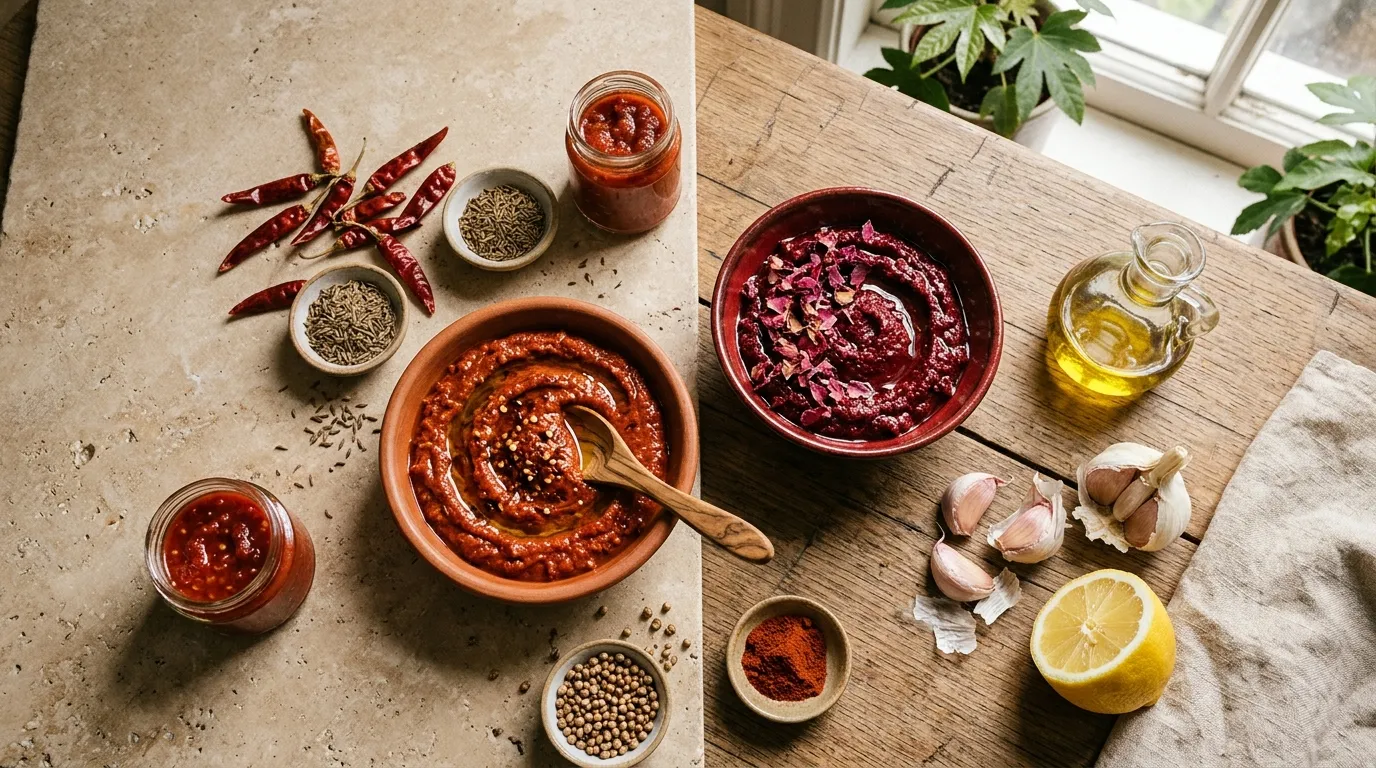
More Ingredient Guides
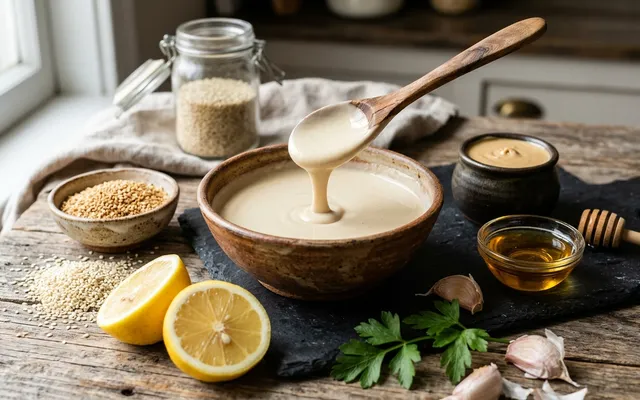
Tahini (Sesame Paste)
Out of tahini for hummus, baba ganoush, or falafel sauce? Use our 5 ranked tahini substitutes with exact ratios, plus white vs. dark tahin in the Netherlands.

Fish Sauce
The complete guide: what fish sauce is, why it smells like that but tastes divine, and how to substitute it if you're cooking vegetarian or vegan.
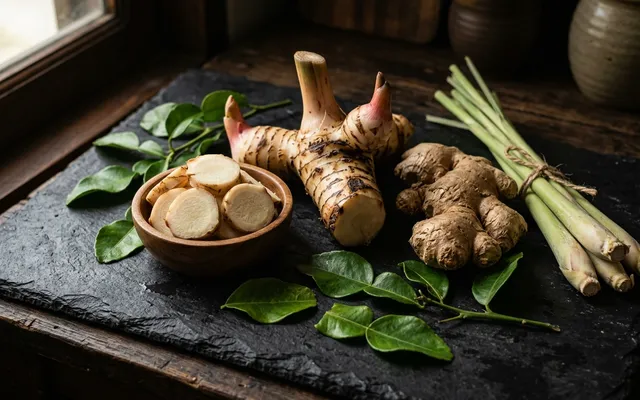
Galangal
The complete expat guide: why galangal is not just 'Thai ginger', where to find it in the Netherlands, and how to smartly substitute it.