
Sambal Oelek (Badjak & Chili Paste)
Sambal · Indonesian & Surinamese crushed chili paste (Sambal Ulek / Bajak)
Out of sambal oelek or wondering how it differs from sambal badjak, brandal, and sriracha? Use our 5 exact ratio substitutes from standard Dutch supermarkets.
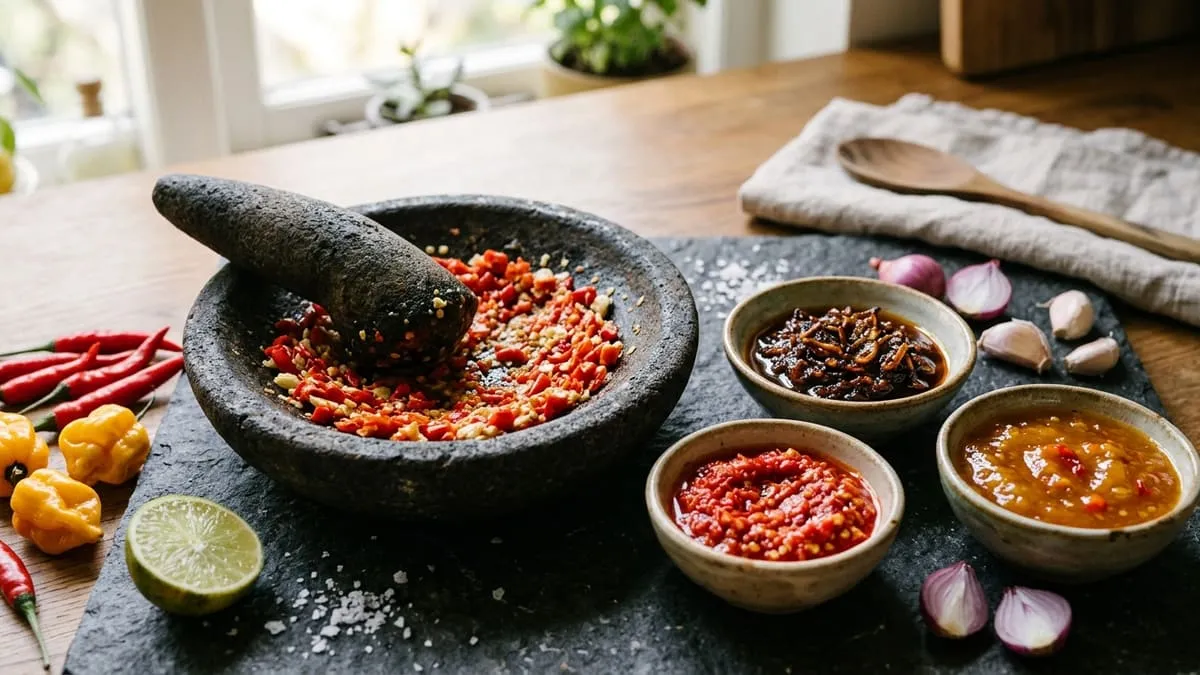
At a Glance: Where to Buy or Substitute
Netherlands Pantry GuideAvailability in the Netherlands
Sambal oelek, badjak, and brandal are stocked in every Dutch supermarket (Albert Heijn, Jumbo, Plus, Lidl); higher-chili artisan jars (Koningsvogel, Djawa) and fruity Surinamese Madam Jeanette sambal are widely sold at Asian and Surinamese tokos.
Best Direct Substitute
1 tsp crushed red pepper flakes + ½ tsp rice or white vinegar + pinch of salt (per 1 tsp sambal oelek); or 1:1 sriracha if you reduce added sugar/garlic slightly
Open the refrigerator door in almost any Dutch home and you will spot a small red jar of sambal sitting right next to the mustard and mayonnaise. Because Indonesian and Surinamese food culture is woven into everyday cooking across the Netherlands, sambal is treated as a foundational kitchen staple from Groningen to Rotterdam. Yet things still go sideways when a recipe specifically calls for sambal oelek, sambal badjak, sambal brandal, or Surinamese Madam Jeanette sambal—or when you are halfway through stir-frying Authentic Nasi Goreng and realize your jar is scraped clean.
Assuming all sambal is interchangeable “hot red chili paste” is the fastest way to throw a dish out of balance. Stir two teaspoons of sweet, fried sambal badjak into a clear Indonesian chicken broth like Soto Ayam or Quick Miso Ramen, and the soup turns murky and cloying. Conversely, put raw, salty sambal oelek on the table next to peanut satay when your guests expect caramelized onion-and-chili richness, and it tastes sharp and one-dimensional.
Here is the complete guide to the five sambal jars you will meet in Dutch supermarkets and tokos, how to read the label so you buy real chilies instead of starch paste, and the 5 best 1:1 substitutes when you run out mid-recipe.
What Is Sambal Oelek? (And Why the Mortar Matters)
The word sambal originates in Javanese and Sundanese culinary tradition and refers to a crushed chili condiment traditionally pounded by hand in a shallow stone mortar (cobek) with a heavy pestle (ulekan). In fact, the Dutch spelling oelek (spelled ulek in modern Indonesian) literally means “to grind” or “to pound with a pestle.”
When fresh red chilies (typically medium-hot red Lombok chilies and fiery bird’s-eye cabe rawit chilies) are crushed against rough volcanic stone with coarse sea salt, the texture and flavor develop differently than in a high-speed blender:
- Crushed Cells vs. Pureed Liquid: Grinding in a mortar ruptures the chili skin and seed placentas, releasing volatile capsaicin oils that emulsify with the natural chili juices into a coarse, spoonable paste.
- Zero Sugar, Zero Garlic: Authentic sambal oelek contains only three ingredients: crushed fresh red chilies, salt, and a touch of vinegar or citric acid for preservation. There is 0% sugar, 0% onion, and 0% garlic. That purity is why chefs and home cooks love sambal oelek as a cooking ingredient: it injects clean, bright chili heat and subtle acidity into any bumbu spice paste, stir-fry, or marinade without altering the garlic-to-sweetness balance of your recipe.
The 5 Sambal Jars in Every Dutch Supermarket & Toko
When you stand in front of the Indonesian and Surinamese aisle at Albert Heijn, Jumbo, or Amazing Oriental, you will see half a dozen red labels. Here is how the five core varieties differ and where each one shines:
| Sambal Variety | Ingredients & Cooking Method | Flavor Profile & Heat Level | Best Culinary Use Case |
|---|---|---|---|
| 1. Sambal Oelek (Sambal Ulek) | Raw crushed red chilies, salt, and a splash of vinegar | Clean, bright, salty, and 100% unsweetened (medium-hot) | The universal cooking sambal for frying in a wet bumbu paste for Indonesian Beef Rendang, bami goreng, or Vegetarian Pad Thai |
| 2. Sambal Badjak (Sambal Bajak) | Chilies slow-fried in oil with shallots, garlic, trassi (shrimp paste), candlenuts (kemiri), palm sugar, and ketjap | Savory, smoky-sweet, caramelized, and milder | The ultimate table condiment served alongside Nasi Goreng, chicken satay, and gado-gado |
| 3. Sambal Brandal | Fried red chilies with generous garlic, candlenuts, and a hint of galangal (laos) | Punchy, deeply roasted, and garlicky (hotter and less sweet than badjak) | Ideal when you want serious roasted chili heat in wok dishes, grilled meats, or spicy peanut sauce |
| 4. Sambal Manis | Chilies simmered down with sweet soy sauce (ketjap manis), fried onion, and brown sugar | Mild, syrupy-sweet, and gently warm | Great for mild eaters who want dark Indonesian spice notes without aggressive capsaicin heat |
| 5. Surinamese Sambal (Madam Jeanette / Adjuma) | Yellow or red Madam Jeanette or Adjuma chilies blended with onion, vinegar, and spices | Blisteringly hot (100,000–350,000 SHU), tropical, and floral-fruity | Essential on the side of the plate with Surinamese Chicken Roti, fried bara, and Surinamese peanut soup |
Why You Shouldn’t Fry Sambal Badjak Over Screaming-Hot Wok Heat
One of the most common mistakes in Dutch kitchens is tossing a heaping tablespoon of sambal badjak or sambal manis into smoking-hot wok oil at the start of a stir-fry. Because both contain significant amounts of palm sugar (gula djawa) and sweet soy sauce (ketjap manis), that sugar scorches and turns bitter within thirty seconds at high heat. Always use unsweetened sambal oelek (or fresh chilies) for high-heat frying, and stir sambal badjak in at the very end or serve it at the table.
Supermarket vs. Toko: How to Read the Label in the Netherlands
Flip over two jars of sambal in the Netherlands and you will immediately see why one tastes vibrant and chili-forward while the other tastes salty and muted:
- Small Supermarket Jars (standard 200g jars at AH/Jumbo): Typically contain around 80–85% crushed chilies and 8–10% salt, thickened with modified cornstarch and stabilized with potassium sorbate or sodium benzoate. Important kitchen rule: because standard sambal oelek is up to 10% salt by weight, always taste your dish before adding extra salt or soy sauce.
- Larger Toko Tubs (Koningsvogel, Kokki Djawa, Djawa, or fresh deli tubs): Feature a coarser, stone-ground texture with visible chili seeds, minimal starch fillers, and—in cooked varieties like Sambal Badjak or Sambal Trassi—real caramelized shallots and fermented shrimp paste.
- Surinamese Pepper Jars (Faja Lobi, Lekker Bekkie, Todibo): Built on aromatic Madam Jeanette or Adjuma peppers rather than mild Lombok chilies. Dose these with the tip of a teaspoon: ¼ teaspoon of Madam Jeanette sambal delivers roughly the same heat as a full teaspoon of standard sambal oelek.
The 5 Best Substitutes for Sambal Oelek & Sambal Badjak (With Exact Ratios)
Caught mid-recipe with an empty sambal jar? Pick the swap below that matches the dish on your stove:
1. Crushed Red Pepper Flakes + Vinegar + Salt (Best 1:1 Swap for Sambal Oelek in Cooking)
If you have standard dried crushed red pepper flakes (chilivlokken) or Korean gochugaru chili flakes in your spice rack, you can reconstruct sambal oelek’s exact acid-heat-salt profile in thirty seconds.
- Exact ratio for 1 teaspoon sambal oelek: Mix 1 teaspoon dried chili flakes + ½ teaspoon rice vinegar (or white vinegar / lime juice) + ½ teaspoon warm water + a small pinch of salt.
- Pro-tip: Let the flakes hydrate in the warm water and vinegar for 2 minutes before adding them to hot oil so the dry flakes bloom rather than burn.
2. Fresh Red Chili Pepper or Bird’s-Eye Chili (Rawit) (Best Fresh Upgrade)
If you have a fresh red finger chili (Spaanse peper) or small Thai bird’s-eye chili (rawit) in the crisper drawer, you can make fresh sambal ulek on your cutting board.
- Exact ratio for 1 teaspoon sambal oelek: Finely mince or smash ½ large red chili (seeds included) or 1 small fiery bird’s-eye chili with a generous pinch of salt and 3–4 drops of vinegar or lime juice.
- Best for: Indonesian bumbu pastes, stir-fries, and clear broths.
3. Sriracha Chili Sauce (Best Table & Wok-Sauce Swap)
Most expat kitchens have a squeeze bottle of sriracha in the fridge, but keep the formulation difference in mind: whereas sambal oelek is coarse and unsweetened, sriracha is puréed smooth and heavily seasoned with sugar and garlic.
- Exact ratio for 1 teaspoon sambal oelek: Use 1 teaspoon sriracha, and reduce any added sugar or honey in your recipe by ½ teaspoon so the glaze does not turn overly sweet.
- Best for: Stir-fry sauces, noodle bowls, dipping sauces, and peanut sauce.
4. Homemade Badjak Hack or Gochujang (Best Swap for Sambal Badjak)
If your recipe calls for the dark, caramelized depth of sambal badjak and you only have raw sambal oelek or Korean gochujang:
- From Sambal Oelek to Sambal Badjak (per 1 tablespoon badjak): Mix 2 teaspoons sambal oelek + 1 teaspoon ketjap manis (or dark brown sugar) + ¼ teaspoon garlic powder + 1 tablespoon crushed crispy fried onions (gebakken uitjes).
- Using Gochujang: Swap 1:1 with gochujang loosened with a few drops of soy sauce or ketjap manis; gochujang’s fermented savory-sweet warmth mimics badjak remarkably well in marinades and glazes.
5. North African Harissa Paste (Best in Braises & Stews)
Have a jar or tube of harissa in the fridge?
- Exact ratio: Substitute 1:1 with harissa in rich braises, curries, or grilled meat marinades. Note that harissa contains roasted red pepper, cumin, and coriander seed—those warm spices blend seamlessly into Surinamese Chicken Roti or Indonesian Beef Rendang, though you will notice the cumin in lighter East Asian stir-fries.
Quick Comparison Table: Which Sambal Substitute Should You Use?
| Pantry Substitute | Exact Ratio (per 1 tsp Sambal Oelek) | Flavor Difference vs. Sambal Oelek | Best Culinary Match |
|---|---|---|---|
| Dried Chili Flakes + Vinegar + Salt | 1 tsp flakes + ½ tsp vinegar + ½ tsp warm water + pinch salt | 95% flavor match; slightly drier flake texture | All bumbu pastes, stir-fries, and soups |
| Fresh Red Chili + Salt + Vinegar | ½ minced red chili + pinch salt + 3 drops vinegar | Brighter, fruitier, and fresher than jarred paste | Nasi Goreng, Thai Massaman Curry, fresh marinades |
| Sriracha | 1 tsp sriracha (reduce recipe sugar slightly) | Smoother, sweeter, and distinctly garlicky | Peanut sauce, noodle bowls, dipping sauces |
| Sambal Oelek + Ketjap + Fried Onions (as a Sambal Badjak substitute) | 2 tsp oelek + 1 tsp ketjap manis + 1 tbsp crushed fried onions | Replicates the caramelized onion and sweet soy depth of cooked badjak | Gado-gado, chicken satay, Crispy Air Fryer Tofu, table condiment |
| Harissa Paste | 1 tsp harissa | Smokier and earthier from cumin and coriander seed | Braises, Surinamese Chicken Roti, rich stews |
Frequently Asked Questions About Sambal
What is the difference between sambal oelek and sambal badjak?
Sambal oelek is a raw, uncooked paste of crushed red chilies, salt, and a splash of vinegar—bright, sharp, salty, and completely unsweetened. Sambal badjak is a cooked, fried chili paste simmered in oil with shallots, garlic, fermented shrimp paste (trassi), candlenuts (kemiri), and palm sugar or sweet soy sauce, making it darker, milder, and savory-sweet.
Is sambal oelek vegan and gluten-free?
Pure sambal oelek (crushed chilies, vinegar, and salt) is naturally 100% vegan and gluten-free. However, many cooked Indonesian sambals—especially sambal badjak and sambal trassi—contain fermented shrimp paste (trassi) and soy sauce (ketjap), which often contains wheat. Always check the allergen label if you cook vegan or gluten-free.
How long does an opened jar of sambal last in the fridge?
Thanks to its high salt, vinegar, and capsaicin content, an opened jar of sambal oelek or sambal badjak easily keeps for 6 to 12 months in the refrigerator. Follow one strict Indonesian and Surinamese kitchen rule: always use a clean spoon when scooping from the jar. Introducing stray rice grains, butter, or food crumbs on a used spoon is the main reason an otherwise shelf-stable jar of sambal develops mold early.
Recipes Using Sambal Oelek (Badjak & Chili Paste)
Surinamese Chicken Roti From Scratch
Skip the supermarket meal kit: make authentic Surinamese chicken roti with fragrant masala gravy, yardlong beans, potatoes, and spiced eggs in 45 minutes.
Authentic Nasi Goreng (No Packets)
Make fragrant Indonesian nasi goreng without spice packets: using chilled jasmine rice, a freshly pounded bumbu paste, and caramelized ketjap manis in a wok.
Authentic Indonesian Beef Rendang (From Scratch)
Make West Sumatran beef rendang from scratch in a Dutch kitchen: using sukadelappen, a freshly pounded bumbu, full-fat coconut milk, and toasted coconut.
Authentic Thai Massaman Curry with Beef, Potatoes & Peanuts
Make velvety Thai Massaman curry from scratch: tender Dutch sukadelappen beef (or 35-min chicken thighs), waxy potatoes, roasted peanuts, and tamarind balance.
Crispy Air Fryer Tofu
Golden brown, shatteringly crisp on the outside, and silky inside: make crispy air fryer tofu in 20 minutes using the cornstarch-and-soy coating trick.
Video Guide & Culinary Context
About this video: In this practical kitchen demonstration (6:44), Mike (Chili Pepper Madness) shows how traditional sambal oelek is made from just three ingredients (fresh red chilies, a splash of vinegar, and salt), why its raw, unsweetened chili crunch behaves differently in stir-fries and bumbu pastes than sweet-garlicky sriracha, and how to make a fresh batch in 5 minutes.
More Ingredient Guides
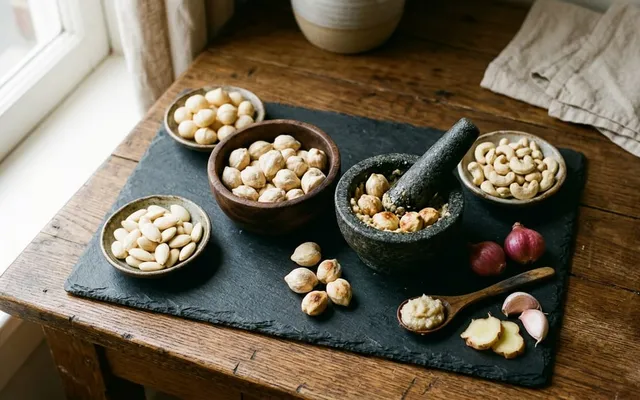
Candlenuts (Kemiri / Buah Keras)
Out of candlenuts (kemiri) for your Indonesian bumbu or rendang? Use our 5 best substitutes (macadamia, cashew, and nut-free) and learn why to toast them.
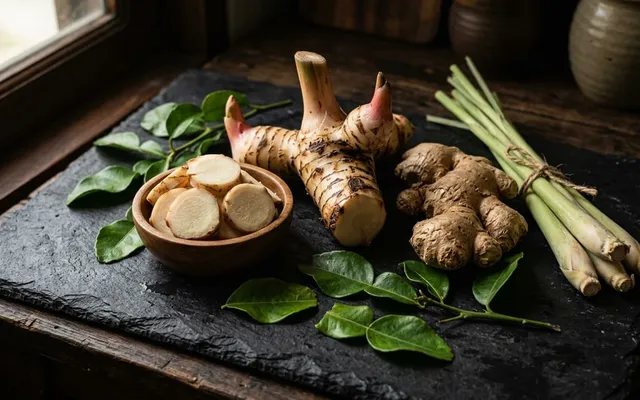
Galangal
Need a galangal substitute or looking for fresh laos vs. laos powder at Albert Heijn, Jumbo, or a Dutch toko? Exact conversion ratios for curry & Tom Kha.
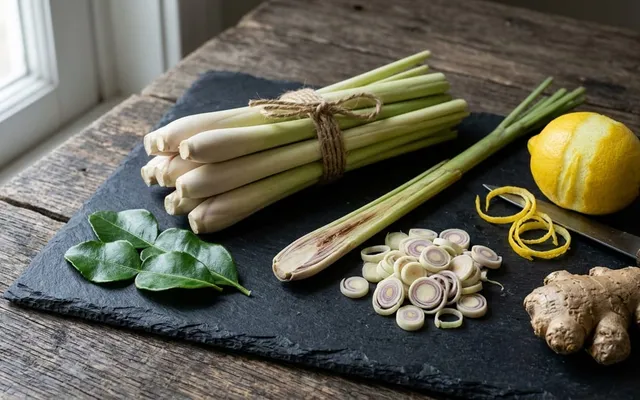
Lemongrass (Sereh)
Out of fresh lemongrass (sereh)? Use our exact substitute ratios for dried lemongrass powder, lime zest + ginger, and paste, plus Dutch buying and freezer tips.